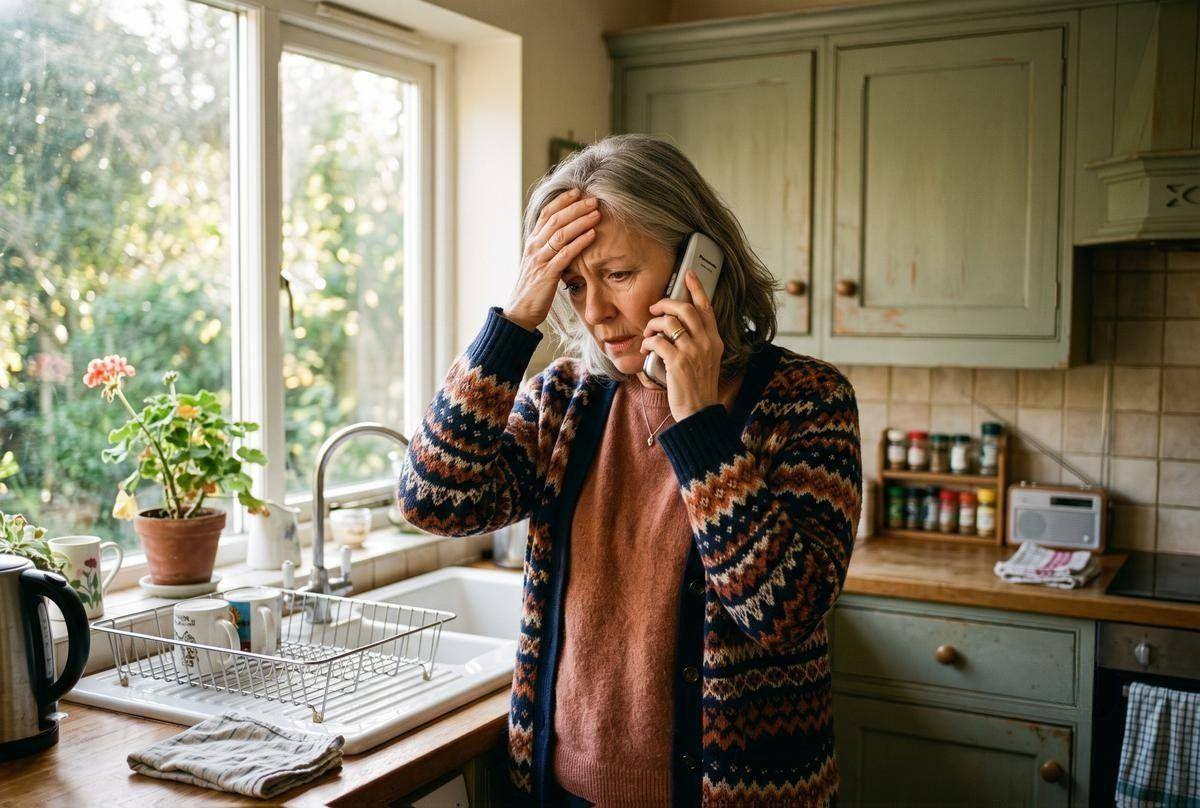
Last September, I got a call from my friend Walter's daughter. Walter is 79, a retired Sikorsky engineer I've known for years through the Westport Senior Center workshops. He'd been complaining about being tired for months — not the kind of tired you feel after a long day, but the kind where you sit in your recliner after breakfast and can't get up. His wife thought he was depressed. His primary care doctor checked his thyroid. Nobody thought to look at his heart until he showed up at the ER one night because he couldn't catch his breath lying flat in bed.
The diagnosis was heart failure. Not a heart attack — that's a different thing entirely. Heart failure means the heart isn't pumping blood as efficiently as the body needs. It's not a sudden stop. It's a slow decline, and in seniors, it's far more common than most people realize.
6.7 million Americans have heart failure right now. That number is projected to hit 8.7 million by 2030. Among people over 80, 9.1% have been diagnosed — and the risk is 20 times higher once you're past 60 than it is in younger adults. It's the number one cause of hospitalization among older Americans. And here's the part that keeps me up: 25% of those patients are readmitted within 30 days of going home.
I'm a financial planner, not a cardiologist. But I've spent 35 years sitting across from people managing chronic conditions, watching how disease reshapes retirement budgets, insurance decisions, and family dynamics. Heart failure has come up in my practice more than any other condition except dementia. So when Walter's daughter asked me to help her understand what they were dealing with — the medical side, the financial side, all of it — I did what I always do. I went to the data.
The Type Most Seniors Get (And Why It Matters)
This gets a bit technical, but bear with me — it matters for treatment decisions down the line.
There are two main types of heart failure. In the first, called HFrEF (heart failure with reduced ejection fraction), the heart muscle weakens and can't pump enough blood out with each beat. Think of it as a pump losing pressure. The ejection fraction — the percentage of blood the heart pushes out per squeeze — drops below 40%. This is sometimes called systolic heart failure.
The second type, HFpEF (heart failure with preserved ejection fraction), is different. The heart pumps fine, but the muscle has stiffened. It can't relax enough to fill properly between beats. The ejection fraction looks normal on paper, which is why this type gets missed more often. This is diastolic heart failure.
Here's what most people don't know: HFpEF is far more common in seniors. The prevalence of diastolic heart failure in older adults is about 36%, compared to just 5.5% for systolic. And women have nearly double the lifetime risk of developing it. Walter's wife Constance, who was worried about him being depressed, is actually at higher statistical risk than he is.
For decades, doctors had effective drugs for HFrEF but almost nothing that worked for HFpEF. If you had the stiff-heart type — the one most seniors get — treatment was largely about managing symptoms. That's changing in 2026, and I'll get to the new medications shortly. But first, you need to understand the stages, because the stage determines everything.
The Four Stages of Heart Failure
The American College of Cardiology and American Heart Association classify heart failure into four stages. They don't go backward — once you're in a stage, the goal is to slow progression, not reverse it. Understanding where you fall changes every conversation you'll have with your doctor.
Stage A: At risk. No symptoms. No structural changes to the heart. But you have conditions that make heart failure more likely — high blood pressure, diabetes, coronary artery disease, obesity, a family history. If you're over 65 with any combination of these, you're in Stage A whether you know it or not. This is where prevention matters most, and it's where most people pay the least attention.
Stage B: Structural changes, no symptoms. An echocardiogram might show the heart wall is thickening or a valve isn't working quite right, but you feel fine. This is the stage where early medication can make a genuine difference in slowing progression. The problem is that most people in Stage B have no reason to ask for the test that would catch it.
Stage C: Symptoms present. Shortness of breath, fatigue, swelling in the legs and ankles, difficulty exercising. This is where most people get diagnosed, because this is where the body starts sending signals you can't ignore. Walter was deep into Stage C before anyone figured it out.
Stage D: Advanced heart failure. Symptoms at rest, repeated hospitalizations, limited response to standard treatment. This stage requires specialized care — advanced heart failure clinics, mechanical assist devices, or transplant evaluation. About 10% of heart failure patients reach Stage D, and the decisions at this point are among the hardest families face.
Symptoms Seniors Miss — And Doctors Sometimes Do, Too
Here's what frustrates me about Walter's story. He had symptoms for months. But they didn't look like what most people think of when they hear "heart failure."
The classic signs are shortness of breath, swollen legs, and fatigue. Those are real, and they matter. But seniors often present with symptoms that look like something else entirely.
Confusion and mental fog. When the heart isn't pumping enough blood to the brain, cognitive function declines. Walter's wife thought he was developing dementia. His daughter noticed he kept asking the same questions. It was heart failure.
Loss of appetite and nausea. Fluid buildup around the liver and intestines suppresses hunger. A retired nurse I know — a sharp woman, 76 — lost 15 pounds over three months. Her doctor investigated her stomach. It was her heart.
Getting up to urinate multiple times at night. When you lie down, fluid redistributed from your legs puts extra load on the kidneys. Nocturia — waking up two, three, four times a night to use the bathroom — is one of the earliest and most overlooked signs of heart failure in seniors.
A persistent dry cough, especially when lying flat. Fluid backs up into the lungs. It's not a cold. It's not allergies. It's pulmonary congestion from a heart that can't keep up.
If you or someone you care about has two or more of these symptoms — particularly the combination of fatigue, swelling, and nighttime urination — ask the doctor to check for heart failure specifically. A blood test for BNP (B-type natriuretic peptide) and an echocardiogram are the primary diagnostic tools, and they're covered by Medicare. Regular checkups should include these conversations, especially after 70.
Treatment in 2026: Real Progress, Finally
Let me be direct about this: the treatment landscape for heart failure has changed more in the past five years than in the previous thirty. If you were diagnosed in 2015, the options available to you today are substantially better.
For HFrEF (the weak-pump type), there are now four drug pillars that form the standard of care. Your cardiologist will likely prescribe some combination of:
- Beta-blockers — slow the heart rate, reduce blood pressure, decrease the heart's workload
- ARNI medications — specifically sacubitril/valsartan, sold as Entresto. This replaced the older ACE inhibitors as the preferred option
- MRAs (mineralocorticoid receptor antagonists) — spironolactone or eplerenone, which help with fluid balance and prevent heart muscle scarring
- SGLT2 inhibitors — originally diabetes drugs, now proven to reduce heart failure hospitalizations and death. Jardiance (empagliflozin) and Farxiga (dapagliflozin) are the two you'll hear about most
For HFpEF (the stiff-heart type) — the one most seniors have — there's genuinely new ground. Finerenone is the first drug to improve outcomes specifically for patients with HFpEF. And tirzepatide (sold as Mounjaro), initially developed for diabetes and weight management, showed a 38% reduction in cardiovascular death for obese patients with HFpEF in clinical trials. That's not a marginal improvement. That's transformative.
For advanced cases, technology is advancing too. The CardioMEMS sensor — a tiny device implanted in the pulmonary artery that wirelessly transmits pressure readings to your doctor — reduced heart failure hospitalizations by 57% in studies. It means your cardiologist can catch fluid buildup before you feel it, and adjust medications before you end up in the ER at 2 AM.
This is one of those rare areas where I can say the trend lines are genuinely encouraging. Not a cure — heart failure remains a chronic, progressive condition. But real tools, making a real difference, for the type of heart failure that seniors most commonly face.
The Medicare Math: What These Drugs Actually Cost in 2026
Here's where my day job meets the diagnosis. Because it doesn't matter how good the treatment is if you can't afford it.
The Inflation Reduction Act required Medicare to negotiate prices on certain high-cost drugs for the first time. Several heart failure medications were included, and the savings are substantial.
Entresto was costing roughly $628 per month before negotiation. The new Medicare price is approximately $295 per month — a 53% reduction.
Jardiance saw 66% savings through the negotiation process.
Farxiga saw 68% savings.
And here's the number I want you to write down: as of 2026, Medicare Part D caps your total annual out-of-pocket prescription drug costs at $2,100. That's a ceiling. Once you hit it, you pay nothing more for covered prescriptions for the rest of the year. Before this cap existed, patients on multiple heart failure medications could spend $8,000 to $12,000 a year in co-pays and coinsurance alone.
When Walter's daughter and I sat down to map out his medication costs under his Part D plan, we calculated he'd hit the annual cap by April. Every refill from May through December would cost him zero out of pocket. That's roughly $4,700 in savings over what he would have paid three years ago for the same medications.
If you're struggling with prescription costs, call Medicare at 1-800-633-4227 and ask about Extra Help (also called the Low-Income Subsidy). If your income is below $22,590 individually or $30,660 as a couple, you may qualify for additional premium and co-pay assistance. Also check BenefitsCheckUp — a free tool from the National Council on Aging that identifies benefit programs you may be eligible for.
The Zone System: Green, Yellow, and Red
The American Heart Association developed a traffic-light system for heart failure patients that I think every senior — and every caregiver — should tape to their refrigerator. Literally. Print it and put it on the fridge.
Green Zone — All Clear. Your weight is stable day to day. No new or worsening symptoms. You can handle your normal activities without unusual fatigue or breathlessness. Exercise tolerance is what you'd expect. Keep doing what you're doing — take your medications, follow your diet, show up for appointments.
Yellow Zone — Caution. You've gained 2 or more pounds in a single day, or 5 or more pounds in a week. You're more tired than usual. There's more swelling in your legs, feet, or ankles. You're waking up short of breath, or you need more pillows to sleep comfortably. Call your doctor. Not next week. Today. These are signs of fluid buildup, and early intervention — usually a diuretic adjustment — can prevent a hospitalization.
Red Zone — Emergency. Severe shortness of breath that doesn't improve with rest. Fainting or dizziness. Chest pain. A cough producing pink, foamy sputum. Sudden confusion or an inability to think clearly. Call 911. Not your doctor's office, not your daughter, not the nurse hotline. 911.
The difference between Yellow and Red is the difference between a phone call and an ambulance. And the difference between Green and Yellow is often caught by one simple habit: weighing yourself every single morning.
What You Do Every Day Matters More Than You Think
I've watched enough clients manage chronic conditions to know that the daily routine matters at least as much as the medications. For heart failure, the daily checklist is straightforward, but it requires discipline.
Weigh yourself every morning. Same time, same scale, after using the bathroom, before eating. Write it down or use a home health monitor that tracks it automatically. A sudden jump is one of the earliest warning signs of fluid retention.
Watch your sodium. The general target is under 2,000 to 3,000 milligrams per day, depending on your doctor's recommendation. For perspective, a single can of soup can contain 800 to 1,200 mg. The DASH diet — originally designed for blood pressure — reduces heart failure risk by roughly 50% and is the eating pattern most cardiologists recommend. It's not exotic. It's vegetables, fruit, whole grains, lean protein, and a lot less processed food.
Move your body. 150 minutes per week of moderate activity — walking counts — as tolerated. Cardiac rehabilitation programs, which are covered by Medicare for heart failure patients, have been proven to reduce hospitalizations. Ask your cardiologist for a referral if you haven't already.
Avoid NSAIDs. Ibuprofen (Advil, Motrin) and naproxen (Aleve) worsen fluid retention and can interfere with heart failure medications. Use acetaminophen (Tylenol) instead for pain management, and tell every doctor and pharmacist you see that you have heart failure. Polypharmacy — the accumulation of multiple medications for multiple conditions — is one of the biggest risks for seniors with heart failure, and the only defense is making sure every provider knows your complete medication list.
Check your blood pressure regularly. High blood pressure is both a cause and a complication of heart failure. A good home monitor costs $30 to $60 and takes the guesswork out of it.
Stay current on vaccines. Infections strain a weak heart, and the flu, COVID, and pneumococcal shots all lower that risk. Newer research suggests the shingles vaccine may protect the heart as well, with vaccinated adults showing fewer cardiovascular events — one more reason not to skip it.
A Note for Caregivers
Walter's daughter is doing most of the daily management now. She calls me every few weeks, not about the medical details — she has his cardiologist for that — but about the weight of it. How tired she is. How her father sometimes refuses to step on the scale because he doesn't want to know the number. How her mother Constance pretends everything is fine when it clearly isn't.
If you're caring for someone with heart failure, here's what I'd tell you.
Learn the zone system. Put it on the refrigerator, in the car, on your phone. Be the person who notices when things shift from Green to Yellow, because the patient often won't notice — or won't admit it.
Watch for the symptoms they'll dismiss. Weight gain they'll call "water weight." Confusion they'll blame on a bad night's sleep. Swelling they'll hide under loose pants. You are the early warning system.
Help with low-sodium cooking. This sounds small. It isn't. Changing a lifetime of eating habits at 79 is hard, and it's harder alone.
Keep a hospital go-bag packed. Medications list, insurance cards, a change of clothes, phone charger, a comfort item. When the Red Zone arrives — and with heart failure, it may — you don't want to be scrambling.
And take care of yourself. Caregiver burnout is not a vague concept — it's a clinical reality that affects your health, your relationships, and your ability to keep showing up. The Family Caregiver Alliance at caregiver.org has real resources — respite care programs, support groups, practical guides. Use them. You can't pour from an empty cup, and I've seen too many caregivers end up as patients themselves.
Where to Go From Here
Heart failure is a serious diagnosis. The 5-year survival rate for people aged 75 to 84 is somewhere between 45% and 55%, depending on the type and stage. I'm not going to pretend that's a comfortable number. But it means that roughly half of people diagnosed at that age are still here five years later — and with the treatment advances I've described, those odds are improving.
What I've seen over 35 years is that outcomes depend less on the diagnosis itself and more on what happens next. The patients who do best are the ones who understand their condition, take their medications consistently, show up for follow-ups, and have someone — a spouse, a child, a friend, a neighbor — who's paying attention alongside them.
Walter is four months past his diagnosis now. He's on Entresto and Farxiga. He weighs himself every morning and writes the number on a legal pad his daughter taped to the bathroom wall. He's walking 20 minutes a day, which is less than he used to and more than he thought he could. He's not the man he was two years ago. But he told me last Sunday, on one of my drives back from visiting my mother in Hartford, that he feels better than he did six months ago. "The pills help," he said. "But mostly it helps to know what I'm dealing with."
That's what I want for you, too. Not false optimism. Not doom. Just clarity — and a plan.
Key Resources:
- American Heart Association: 1-800-242-8721 or supportnetwork.heart.org
- Medicare: 1-800-633-4227
- Eldercare Locator: 1-800-677-1116
- Benefits screening: benefitscheckup.org