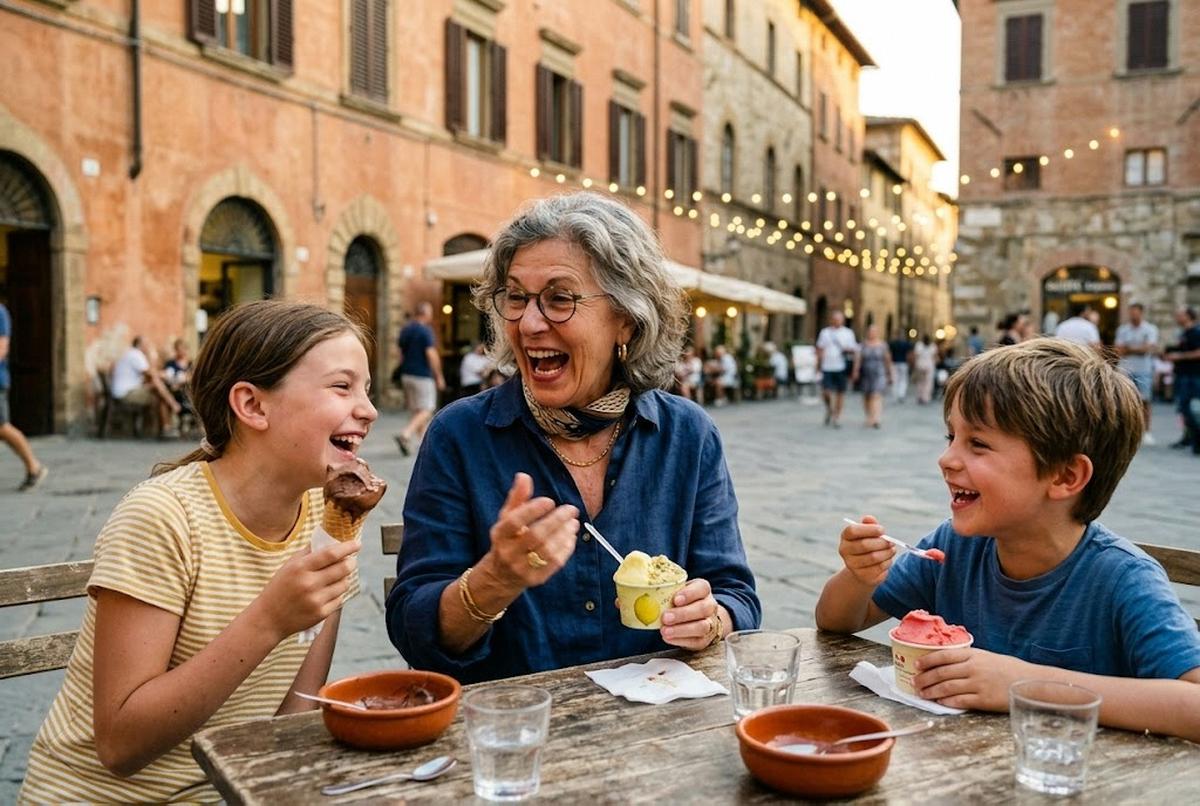
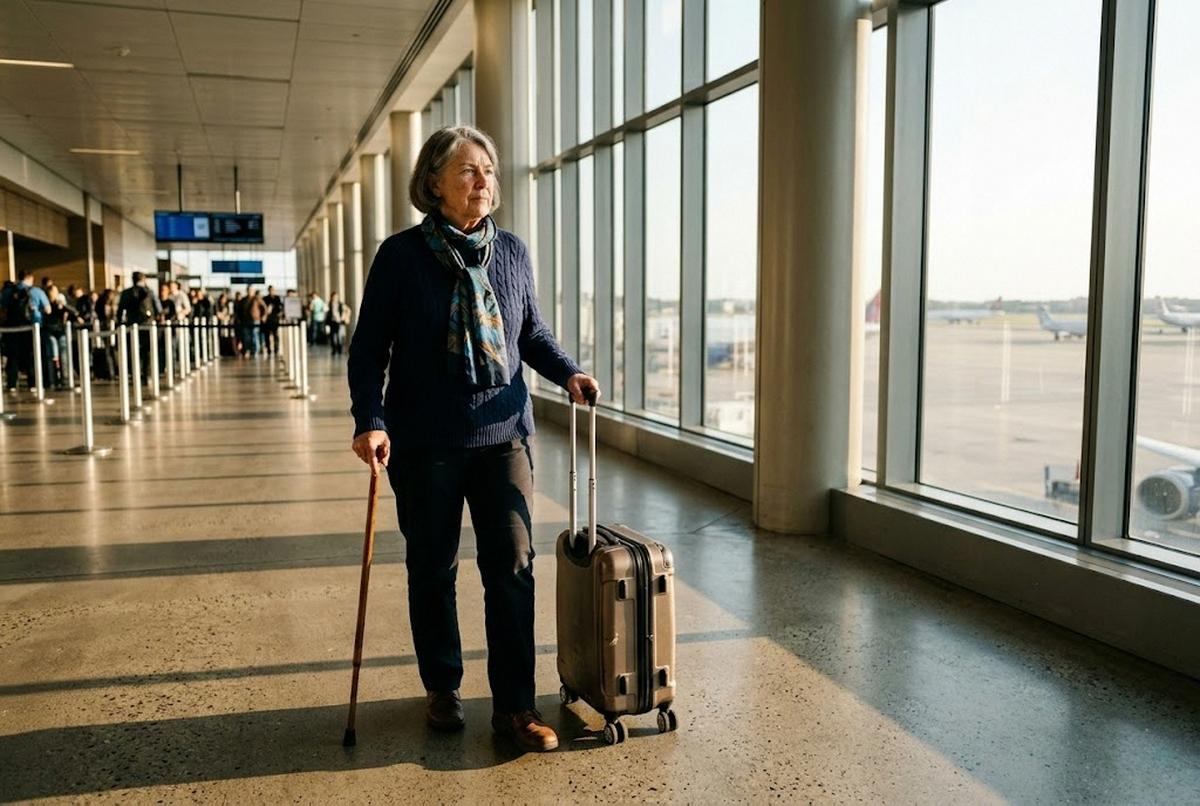
I made a list once of every place I wanted to show my parents in California. It ran to two pages. We got through maybe a third of it, because somewhere around the second long drive my father said, quietly, "Can we just sit somewhere for a day?" He was right. We'd been treating the state like a checklist instead of a place. We sat by the water in a town I can't even remember the name of, and that turned out to be the part of the trip he talked about for years.
So before the list, the one thing nobody tells you up front: California is enormous, and it is not one trip. San Francisco to San Diego is about 500 miles — farther than New York to Detroit. Northern California and Southern California are different climates, different paces, different vacations entirely, and trying to do both in one go is how you end up seeing freeways instead of the state. The coast is gorgeous and the coastal highway is slow, winding, and in places carved into a cliff. Pick a region. Do it properly. Leave the rest for next time.
A few other honest realities while we're here. The cost is real — California runs expensive on hotels, meals, and gas, and the popular spots run more expensive still. Traffic in Los Angeles and the Bay Area can swallow an afternoon, so plan your movements around it rather than through it. San Francisco's hills are not a metaphor; they are genuinely steep, and they matter if your knees have opinions. And from roughly July into October, wildfire season can put smoke in the air across parts of the state with little warning, which is worth checking before you commit to outdoor days. None of this is meant to scare you off. It's meant to let you plan honestly instead of heroically. If you want the broader framework first, our guide to senior-friendly travel destinations covers the logistics that apply anywhere.
I've grouped these ten roughly south to north, with a straight read on terrain, season, and what's worth your legs versus what you can skip.
San Diego: The Easiest Place in the State to Land
If you want California with the difficulty turned down, start here. San Diego's weather is the most forgiving in the state — mild and dry most of the year, rarely too hot, rarely cold — which takes the guesswork out of packing and out of how your body will feel walking around. For an older traveler, that consistency is worth more than it sounds.
Balboa Park is the anchor. It's a large cultural park with more than a dozen museums, gardens, and the zoo, and the smart move is to ride the free park tram between the clusters rather than walk the whole thing, because it's bigger than it looks on the map. The main promenade is flat and bench-lined. La Jolla Cove gives you sea lions, seals, and an ocean view from up top without a descent — you can take it all in from the walkway above, which is the version I'd recommend; the stairs down to the water are steep and slick. The Gaslamp Quarter downtown is flat, walkable, and easy for an unhurried dinner.
Best window: honestly, almost any month. If pressed, fall and late spring give you the warm water without the summer crowds.
Santa Barbara: Flat, Pretty, and Forgiving
Santa Barbara is one of the gentler stops on this list, and it earns the nickname people give it. The waterfront and Stearns Wharf give you a level, paved walk along the harbor with the ocean on one side and the mountains behind — no hills, plenty of benches, and easy parking. Stearns Wharf itself is a working pier you can stroll out onto, with seafood at the end if you time it for lunch.
State Street, the main downtown spine, is broad and pedestrian-friendly, and the County Courthouse is the underrated stop: a Spanish-Colonial building you can walk into for free, with an elevator up to a tower that gives you the whole red-tile-roof view without a climb. The Old Mission is a short drive and worth it for the architecture and the quiet. If wine country interests you, the Santa Ynez Valley sits inland — but I'd hire a driver or join a small shuttle, less for the wine and more because the back roads are winding and unfamiliar and you'd rather be looking at the hills.
Best window: spring and fall. The climate is mild year-round but coastal mornings can stay gray well into summer — locals call it "May Gray" and "June Gloom," and they're not joking.
Palm Springs: The Desert, on Your Terms
Palm Springs is the warm-and-dry option, and the dry part is the appeal — the desert air is easy on achy joints, and the winter sun is reliable. The catch is the obvious one: summer here is brutal, regularly past 100 and sometimes well beyond, which is exactly when the hotel rates drop and exactly why they drop. Visit roughly November through April. Then it's lovely.
The signature outing is the Palm Springs Aerial Tramway, a rotating cable car that carries you from the desert floor up the side of the mountain to a station near 8,500 feet, where it can be 30 or more degrees cooler than the valley below. The tram cars and the lower station are accessible; up top, the paved viewing areas are easy, but the nature trails beyond them get steep and rough quickly, so know your limit and enjoy the view from the deck if that's the wiser call. Down in town, the mid-century architecture, the flat walkable downtown, and the casinos and spas make for easy, low-effort days. This is a good place to do very little on purpose.
San Francisco: Glorious, and Honestly the Hilliest Test on This List
San Francisco is the most rewarding city on this list and the one I'd flag hardest for an older traveler, because the hills are not a figure of speech — some downtown blocks are genuinely steep enough to make walking them a workout, and that has to shape how you see the place. The trick is to let the transit do the climbing. Muni offers steep senior discounts, the historic cable cars handle the famous slopes (expect lines and a step up to board), and hop-on-hop-off bus tours cover the spread-out sights without a single hill on your own legs.
Go flat where you can. Golden Gate Park is a thousand-plus acres of mostly level paved paths with the de Young Museum, the Japanese Tea Garden, and the Conservatory of Flowers inside it, plus free weekend shuttles. Fisherman's Wharf and Pier 39 are flat, full of sea lions and seafood, and easy. Alcatraz is a comfortable ferry ride and a self-paced audio tour, though the island itself has a notable uphill walk from the dock — there's a shuttle for those who need it, so ask. One practical note locals all repeat: bring layers. The city runs cool and foggy even in summer, and the famous afternoon fog can drop the temperature fast.
Pasadena: The Calm Alternative to Los Angeles
If the scale of Los Angeles wears you out just reading about it, Pasadena is the antidote, and it sits close enough to function as your base for the whole region. It's smaller, calmer, and easier to walk, with the Metro light rail running into downtown L.A. if you want the city without the driving.
The Huntington — an art collection paired with 130 acres of botanical gardens, with a shuttle for the longer stretches — sits in neighboring San Marino and alone justifies the stop; it's a full, gentle day. Old Town Pasadena is a preserved, flat shopping-and-dining district with wide sidewalks and frequent benches. Descanso Gardens offers 150 paved-path acres with something blooming most of the year and, seasonally, a little train that loops the grounds for anyone who'd rather ride than walk. The Norton Simon Museum is the right size to do in an hour or two without museum-legs setting in. Pasadena's pace genuinely matches the kind of trip this list is built around — quality over quantity, sitting over rushing.
Monterey and Carmel-by-the-Sea: Coast Worth the Drive
This stretch of coast is, to my mind, the most beautiful on the list, and a lot of it rewards you without much walking. The Monterey Bay Aquarium is the centerpiece — world-class, fully accessible, bench-lined, and best on a weekday morning before the school groups. Cannery Row beside it is flat and easy. The famous 17-Mile Drive through Pebble Beach is a scenic toll road built for exactly this: you pay at the gate, then stop at pullout after pullout for the Lone Cypress and the coastline, all from the comfort of the car.
Carmel-by-the-Sea is the storybook village next door, full of galleries and small restaurants — charming, but be warned that the town deliberately has uneven sidewalks and few streetlights to preserve its character, so it's better in daylight and worth watching your footing. Carmel Mission is a short, accessible visit with beautiful grounds. The one honest caution: this region sits in the fog belt, and gray, cool mornings are common even in summer. September and October give you the clearest skies and the smallest crowds.
Napa Valley: Sit Down, Slow Down
Napa is the easiest "active" destination here to enjoy without effort, because the whole point is sitting. Most wineries now do seated tastings rather than crowd-at-the-bar pours, which suits this trip perfectly. The single rule I'd insist on: hire a driver or book a small-group tour. Not because anyone's overdoing it, but because tasting and driving don't mix and the valley roads get busy — let someone else handle the wheel so you can actually relax.
Beyond the wine, the valley gives you gentler pleasures. The Napa Valley Wine Train runs restored vintage cars on a leisurely round trip through the vineyards with a meal aboard — climate-controlled, seated, accessible, and a genuinely easy way to see the valley. The Oxbow Public Market in the town of Napa is an indoor food hall, good for any weather and a low-key lunch. Up in Calistoga, the mineral hot springs and mud baths have drawn people seeking relief for over a century. Best weather runs spring through fall; just know that the September–October harvest season is the prettiest and the most crowded and booked-up.
Lake Tahoe: Altitude Is the Asterisk
Tahoe is the alpine entry, and the lake genuinely is as blue as the pictures. It straddles the California–Nevada line, sits high in the Sierra, and gives you mountain scenery you can take in mostly from the car or the water. Scenic lake cruises, including a paddlewheel boat with dining, let you see the shoreline without a single step of trail. The lakeside paths are flat and easy, and gondolas at the ski resorts carry you up for the views without the climb.
The honest asterisk is the one the brochures skip: elevation. The lake sits at roughly 6,200 feet, and the ridges and gondola tops run higher still. At that altitude some people feel short of breath, light-headed, or unusually tired for the first day or two, and thinner air can be harder on the heart and lungs — worth a word with your doctor before you go if you manage either. Give yourself an easy first day to adjust, drink more water than feels necessary, and don't plan your most strenuous outing for the morning you arrive. The other note: winter is gorgeous but means mountain driving in snow, so unless that's the point of the trip, summer and early fall are the simpler call.
Santa Cruz: Easygoing, With Honest Limits
Santa Cruz is the laid-back beach town, and it's a pleasant, low-key stop — though I'll be candid that it's more "comfortable afternoon" than "destination unto itself." The Beach Boardwalk is a genuine 1900s-era seaside amusement park, a national landmark, free to walk through, with plenty of benches if the rides aren't your thing. The wide beach beside it is flat and good for a slow morning. West Cliff Drive gives you a paved clifftop path with regular benches and surfers to watch, and it's the nicest stretch in town for an unhurried walk.
Nearby, the redwoods of Henry Cowell or the UC Santa Cruz Arboretum offer easy, accessible paths among big trees and unusual plants. Capitola Village next door is a colorful, walkable little waterfront with calm-water beach access. The climate is mild, and Santa Cruz pairs naturally with Monterey since they sit on the same bay — I'd treat it as one half of a coastal couple of days rather than a trip on its own.
Solvang: A Slow Afternoon, Not a Headline
I'll close on the smallest and frankly the easiest stop, with the same honesty I owe the bigger ones: Solvang is a charming detour, not a centerpiece. It's a Danish-themed village in the Santa Ynez Valley — half-timbered buildings, windmills, bakeries turning out real Danish pastries — and its single greatest virtue for an older traveler is that the whole downtown is small, flat, and walkable in an afternoon. You can park once and see all of it without wearing yourself out.
The bakeries are the genuine draw; the Danish-American museum is a quiet, single-story, easy visit. And because it sits in the Santa Ynez wine country, it pairs naturally with a Santa Barbara trip — an easy day out from there rather than a place you'd build a vacation around. Treat it for what it is: a gentle, pretty, low-effort half-day, and there's real value in a stop that asks nothing of you.
Putting It Together Without Wearing Yourself Out
Here's the planning logic, stripped down. Pick one region. The southern loop — San Diego, with side trips to Palm Springs and the L.A. area using Pasadena as a calm base — makes the most forgiving first California trip: mild weather, shorter distances, easy landings. The central coast — Santa Barbara, Solvang, Monterey, Carmel, Santa Cruz — is its own trip, strung along the coastal highway, and gorgeous if you don't rush it. Napa, Lake Tahoe, and San Francisco are northern destinations, best paired with each other rather than tacked onto a southern itinerary.
A few things I'd insist on. Travel in the shoulder seasons — roughly April–May or September–October — and you sidestep the thickest crowds, the highest prices, and most of the coastal summer gloom. Build your days around traffic in the big cities, not through it; do your moving in the late morning and your sightseeing once you've arrived. A rental car gives you the most freedom, since transit between these places is thin, but use the free or cheap downtown options where they exist — San Francisco's Muni and cable cars, San Diego's trolley — instead of fighting for parking. Ask about senior rates everywhere, because AARP and AAA discounts on hotels and admissions are common and add up faster than you'd think. And check air quality before outdoor days in late summer and fall; it changes quickly.
I haven't cracked every corner of this state — not even close. There's a whole stretch of the far north coast and the redwood country up by the Oregon line that people who love it tell me I'm missing, and I believe them. But what I've laid out is the version of California that rewards an older traveler who plans honestly: one region, the gentle hours, the car when you need it and your feet when the ground is flat, and the patience to let a big place stay big. If you're working out where to go after this, our guides to Texas, Florida, and Washington State take the same region-first approach. Wherever you point the car, give yourself permission to skip the thing everyone says you have to see if it doesn't reward the walk. The best trip is the one you actually enjoyed being on.