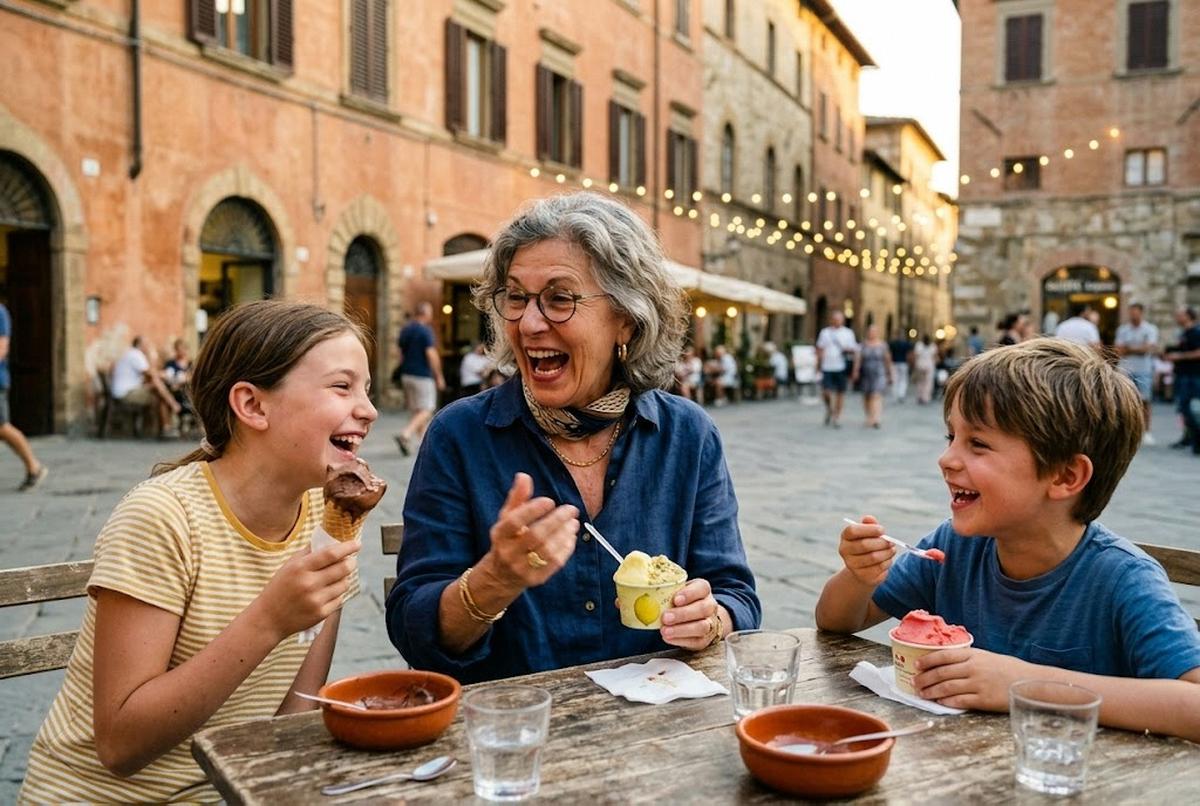
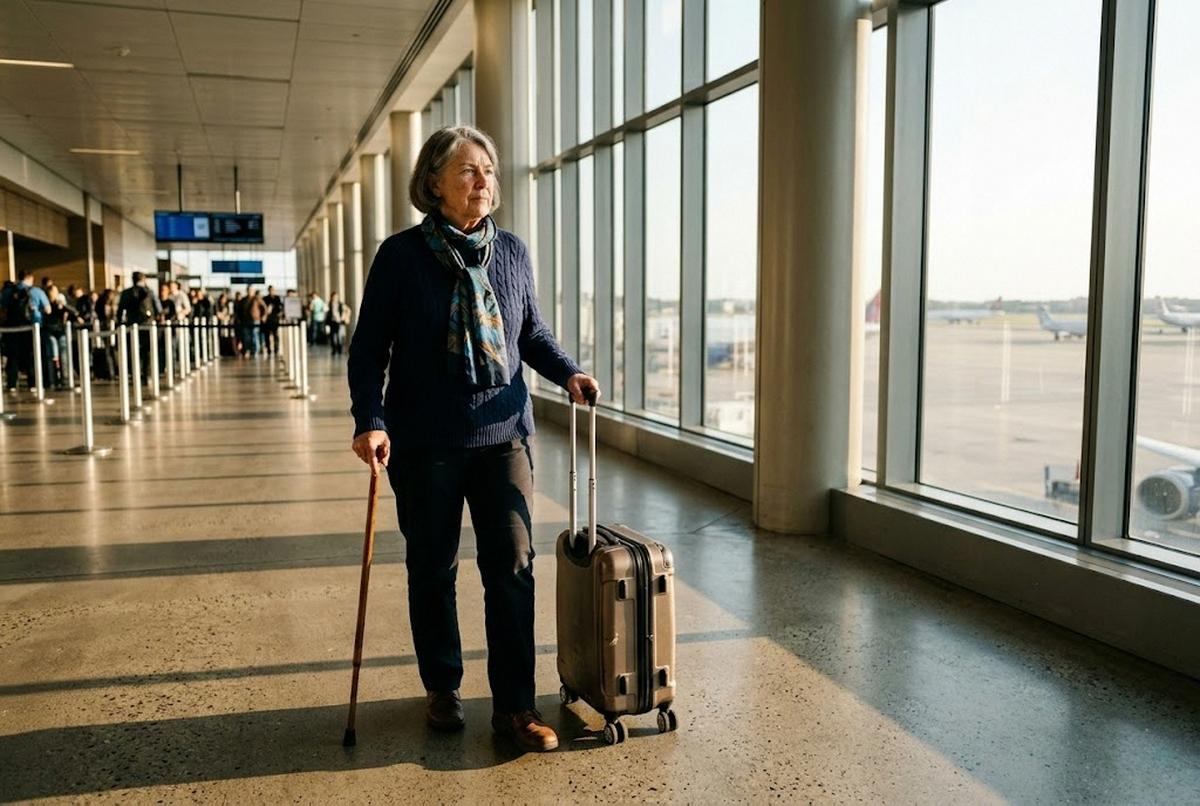
We took my parents to Florida one winter expecting the easy trip. No mountains, no switchbacks, no altitude — flat ground from the airport to the water, and a state that's been catering to older visitors longer than I've been alive. And it mostly was easy. But I learned something on that trip I've carried ever since: Florida's difficulty isn't the terrain. It's the timing, and the size, and the gap between the brochure version and the one you actually walk into.
Here's what nobody puts at the top of these lists. Florida is genuinely built for older travelers — flat, wide sidewalks, golf-cart culture, early-dinner restaurants, hospitals everywhere, no state income tax if you're considering more than a visit. That part is real. But the season you choose decides almost everything. Winter, roughly December through April, is the postcard: dry, warm, perfect. It's also the most crowded and most expensive stretch of the year, when the snowbirds arrive and the traffic thickens and the good restaurants book up two weeks out. Summer flips it — cheap and empty, but hot and swampy, with afternoon storms you can set a watch by. And hurricane season runs June through November, with the worst of it August into October. Granted, you can travel Florida in any month. You just have to know which trade you're making.
The other thing they leave out is distance. Florida looks compact on a map and isn't. Pensacola, up in the Panhandle, sits more than 650 miles from the southern tip — farther than a drive from Chicago to New York. The Gulf coast, the Atlantic coast, and the Panhandle are three different trips with three different moods, and trying to staple them together in one week is how you end up seeing I-75 instead of the state. Pick a coast. If you want the broader framework first, our guide to senior-friendly travel destinations covers the logistics that apply anywhere.
So I've grouped these ten the way I'd actually plan them, with an honest read on season, beaches, and what's worth your legs versus what you can skip.
Sarasota: The One I'd Send a First-Timer To
If you do one Gulf-coast town, make it this one. Sarasota gives you culture and a great beach without asking much of your body. The Ringling — the estate of circus magnate John Ringling — is the anchor: an art museum heavy on Old Masters, a Gilded Age mansion, and the grounds along Sarasota Bay, all on one ticket. It's large, so use the trams between buildings and don't try to walk the whole property. The mansion has stairs and an elevator; ask at the door.
Siesta Key is the famous beach, and the fame is earned — the sand is powder-fine quartz that stays cool underfoot even in July, which matters more than it sounds when you're walking barefoot to your chair. The catch is parking, which fills early in season; go before mid-morning or take the free Siesta Key Breeze trolley and skip the fight entirely. Downtown Sarasota is flat and walkable, with the bayfront and St. Armands Circle for an easy afternoon.
Best window: November through April for the weather, but that's also peak crowd. May and early November are the sweet spot if you can take a little heat.
Naples: Upscale and Easy, but Check on the Pier
Naples is the polished one — manicured, expensive, and genuinely pleasant to walk. Third Street South and Fifth Avenue South are flat shopping-and-dining strips with wide sidewalks, frequent benches, and the kind of unhurried pace this trip is built around. The Naples Botanical Garden is the standout: 170 acres of paved paths and tram options, accessible, and worth a slow morning before the heat.
Now, the honest part. The famous Naples Pier — the one in every photo — was wrecked by Hurricane Ian in 2022 and has been closed for reconstruction. The city broke ground on the rebuild in early 2026, with reopening targeted for 2027, so don't plan your trip around it; check the city's current status before you go. The beach beside it is still there and lovely. This is also a place to be candid about money: Naples runs pricey on hotels and meals, more so in winter. Beautiful, but bring the budget.
St. Petersburg: The Most Walkable Downtown in Florida
St. Pete is the one I'd pick for someone who'd rather stroll a city than lie on a beach. Downtown is flat, compact, and dense with things to do, and a free downtown trolley (the Looper) connects most of it. The Dalí Museum is the headliner — the largest collection of Salvador Dalí's work outside Europe, in a building with a wild glass bubble grafted onto a concrete bunker. It's fully accessible, and the surrealist paintings reward a slow, seated look.
Beyond the Dalí, the waterfront parks, the Museum of Fine Arts, and the restored Sunken Gardens (paved paths, plenty of shade and benches) make for low-effort days. Note that St. Petersburg is the city, not the beach — the Gulf beaches sit a 20-minute drive west across the bay. That's a feature, not a flaw: you get a real downtown and beach access without paying beachfront prices. Best in the milder months; summer downtown can be a sweatbox.
The Villages: Know What This Place Actually Is
I'll be straight, because the listicles never are. The Villages is not a vacation destination in the normal sense. It's an enormous 55-and-over master-planned community — one of the largest in the country, spanning multiple counties north of Orlando — and people who go there are mostly considering living there, or visiting family who do. Golf carts are the local vehicle; there are over a hundred miles of cart paths, and residents drive them to the store, the doctor, and the nightly music in the town squares.
So why is it on a travel list? Because if retirement relocation is even a distant thought, a few days here is the most useful "trip" you can take. Rent a place, borrow or rent a cart, go to the free entertainment in the squares, and feel whether the relentless social calendar energizes you or exhausts you — both are honest reactions. As a sightseeing stop for a one-week Florida vacation, though, skip it. It's a place to test-drive a life, not a place to admire for an afternoon.
Fort Myers: Edison, Ford, and an Honest Word on Recovery
Fort Myers earns its spot mostly on one attraction. The Edison & Ford Winter Estates — the side-by-side winter homes of Thomas Edison and Henry Ford on the Caloosahatchee River — is a genuinely good half-day: historic houses, Edison's laboratory, a botanical garden of his experimental plants, and a museum. It's open daily, and golf-cart tours cover the grounds for anyone who'd rather not walk the full property. Downtown's River District is flat and walkable for dinner.
The honest part is the beaches. Hurricane Ian made landfall here in 2022, and Fort Myers Beach and nearby Sanibel Island took the brunt of it. They've been rebuilding ever since, and recovery is real but uneven — some hotels and businesses are back, others are still construction sites, and the Sanibel of a few years ago isn't quite the Sanibel you'll find today. Sanibel's world-class shelling endures; the built-up parts are a work in progress. Check what's actually open before you book a beach stay, and treat Fort Myers as a mainland base with a great history stop rather than a guaranteed beach resort.
Clearwater: A Great Beach, With the Dolphin Caveat
Clearwater Beach is one of the easiest beach days in the state. The sand is wide and white, the Beach Walk promenade is flat and paved with shaded benches, and Pier 60 runs a nightly sunset gathering with vendors and music that costs nothing to enjoy. Chair and umbrella rentals mean you don't have to haul anything across the sand. It's also busy and built-up, which is the trade — this is a resort beach, not a quiet one.
One correction worth making, because the old guides all repeat it: the Clearwater Marine Aquarium was famous for Winter, the rescued dolphin from the movie Dolphin Tale. Winter died in 2021. The aquarium is still open and still does real rescue and rehabilitation work, but if you're going expecting to see Winter, you'll be disappointed — go for the mission and the other animals, not the movie. The Jolley Trolley connects the beach to downtown if you'd rather not drive and park.
Vero Beach: The Quiet One
If the resort beaches sound like too much, Vero Beach is the antidote. It sits on the Atlantic side, on the stretch called the Treasure Coast, and its whole appeal is that nothing is happening — in the good way. No high-rises crowding the sand, a small walkable downtown, an unhurried pace. The Vero Beach Museum of Art is a pleasant, accessible stop, and McKee Botanical Garden gives you shaded, bench-lined paths through tropical plants.
This is the trip for someone whose idea of a vacation is a long morning on a calm beach, a good lunch, and a nap — not a packed itinerary. It's also less expensive than Naples or the Gulf resort towns, and easier to reach than you'd expect. Don't come looking for nightlife or big attractions; come to do very little, on purpose. The Atlantic surf here is livelier than the Gulf, worth knowing if you're an unsteady wader.
Winter Park: Central Florida Without the Theme Parks
Most people fly into Orlando for the parks. Winter Park, just north of downtown Orlando, is the calm, elegant alternative, and it's the easiest inland stop on this list for an older traveler. The Charles Hosmer Morse Museum holds the world's most complete collection of Tiffany glass — including the restored Tiffany Chapel — in a small, accessible building you can absorb in an hour or two without museum-legs setting in.
The Winter Park Scenic Boat Tour is the move I'd insist on: a roughly hour-long narrated ride on pontoon boats through a chain of lakes and old canals, seated and shaded the whole way, gliding past grand homes and cypress. It's gentle, genuinely lovely, and asks nothing of your knees. Park Avenue, the main street, is flat and bench-lined with shops and cafés. No beach here — this is a cultured, walkable inland town, and a smart base if family in the area or a parks day for the grandkids is part of the plan.
Pensacola: The Panhandle's White Sand and Its Best Museum
Way up in the Panhandle, a long way from the rest of this list, Pensacola pairs the whitest beaches in the state with a museum worth the drive on its own. The sand here is almost blinding quartz, and the water runs a clearer emerald-green than the murkier upper Gulf farther south. Pensacola Beach and the protected Gulf Islands National Seashore give you wide, uncrowded sand with real facilities.
The National Naval Aviation Museum is the surprise standout — one of the largest aviation museums anywhere, with restored aircraft hung from the ceilings and floor to floor, and admission is free. It's flat, vast, and fully indoors, which makes it the obvious move when the afternoon heat wins. Budget at least half a day. One practical note: the museum sits aboard an active Naval Air Station, so adults need a government-issued photo ID to get through the gate — bring it, or you may be turned away. One more thing to know: the Panhandle is closer to Alabama than to Miami, both in geography and in feel, and the water here is cooler in the off-season than the peninsula. It's a different Florida, and a good one.
Daytona Beach: More Than the Speedway, but Manage Expectations
Daytona is famous for the speedway and for the hard-packed sand you can drive a car onto — and that firm sand is a genuine plus for walking, since it doesn't swallow your feet or a cane the way soft sand does. The beach is broad and easy. The Museum of Arts and Sciences is a solid, accessible indoor stop with a planetarium, and the Ponce de Leon Inlet Lighthouse has a good ground-level museum if you'd rather not climb Florida's tallest lighthouse.
I'll be honest about the rest, though. Daytona is more workaday than polished — stretches of it are dated, and it doesn't have the manicured feel of Sarasota or Naples. That's not a knock; it's also far more affordable, and the beach-driving novelty is real. Just come knowing it's a casual, budget-friendly Atlantic beach town, not a refined one. If you want the firm sand and a good lighthouse and don't need upscale, it delivers exactly that.
Putting It Together Without Wearing Yourself Out
Here's the planning logic, stripped down. Pick a coast, not the whole state. The Gulf side — Sarasota, Naples, St. Petersburg, Clearwater, Fort Myers — is the classic senior trip: calm warm water, the best beaches, and short drives between towns, with Winter Park and The Villages reachable inland. The Atlantic side (Vero Beach, Daytona) is its own quieter trip. And the Panhandle (Pensacola) is far enough north and west to be a separate vacation entirely. Don't try to do all three.
A few things I'd insist on. Time it deliberately: winter is gorgeous but crowded and pricey, summer is cheap but hot and stormy, and the shoulder months — roughly late October to early December, or April into May — split the difference better than people expect. Watch hurricane season if you're traveling August through October, and buy the trip insurance. Do your walking and your beach time in the morning, before the heat and the afternoon storms; the Florida sun is stronger and the humidity sneakier than visitors plan for, so carry water and find the air-conditioning at midday. A rental car gives you the most freedom here, since transit between towns is thin, but use the free beach trolleys where they run. And ask about senior rates everywhere — AARP and AAA discounts on hotels and admissions are common and add up faster than you'd think.
One last honest note, the one that prompted this whole rewrite. Florida changes. Hurricanes rearrange the coast, attractions close and rebuild, the famous pier or the famous dolphin from the old guidebook may not be there anymore. So before you book around any single must-see, spend five minutes confirming it's actually open. That's not pessimism — it's just how you plan honestly for a place the weather keeps editing.
I haven't seen every corner of this state, and people who love the Keys or the Everglades will tell me I've left out the best part. Maybe I have. But what I've laid out is the version of Florida that rewards an older traveler who plans honestly instead of heroically: one coast, the cool hours, the right season, and the patience to let a big, flat, beautiful state stay big. If you're working out where to go next, our guides to Texas, California, and Washington State take the same region-first approach. Wherever you point the car, give yourself permission to skip the thing everyone says you have to see if it doesn't reward the effort. The best trip is the one you actually enjoyed being on.