The triage nurse called it "a 92-degree day, a 78-year-old, the usual." That was the part that stopped me.
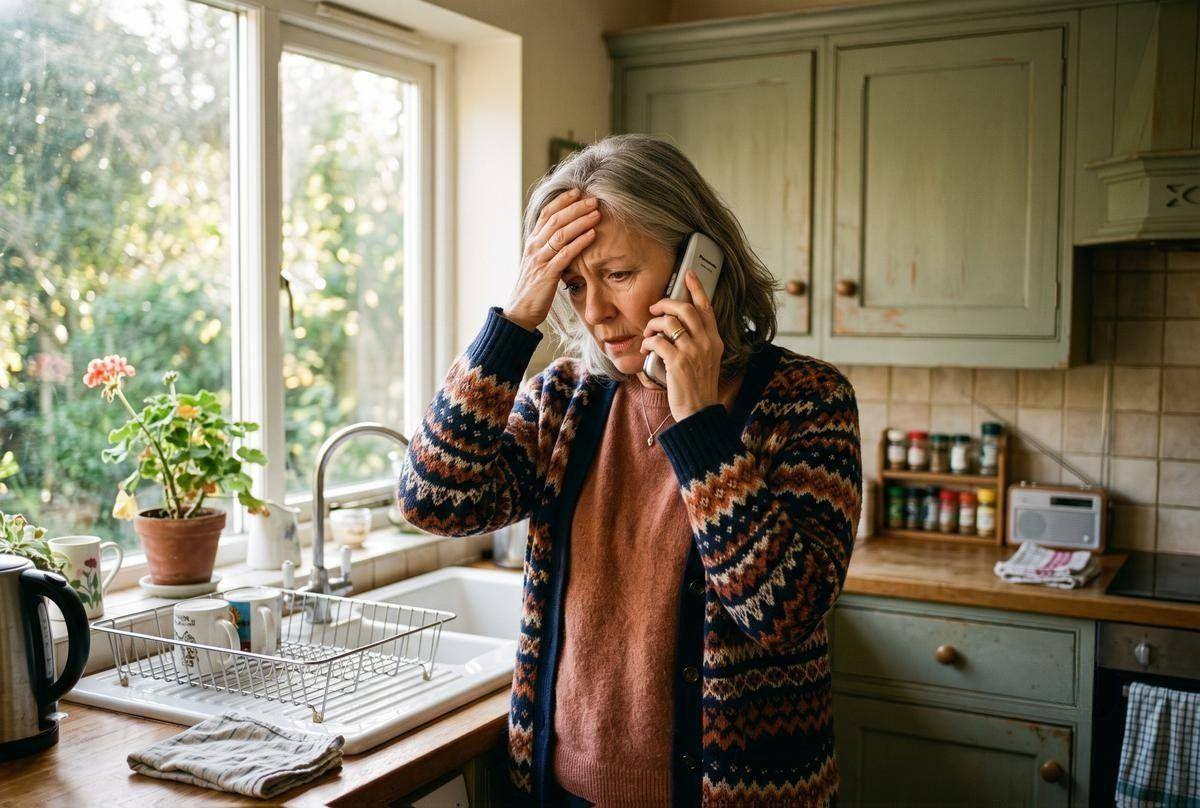
I was sitting in a hard plastic chair in the ER waiting room at Mission Hospital one afternoon last August, keeping a friend company while her brother was being looked at. The man on the gurney across the corridor (a thin, dignified gentleman in a short-sleeved button-down and brown trousers) had been brought in from his front porch in West Asheville. His daughter had stopped by with groceries and found him confused, dry-mouthed, his pulse a strange flat thing under her fingertips. He was on Lasix for his heart failure. Metoprolol for his blood pressure. He had been drinking water all morning, his daughter kept saying. He had been drinking water all morning.
A resident came through with a clipboard and explained, gently, what the staff already knew. The water had not been the problem. The medications were doing exactly what they were prescribed to do, which on a 92-degree afternoon was a different kind of problem altogether. His diuretic was pulling fluid out of him faster than he could replace it. His beta-blocker was preventing his heart from racing the way a younger body races to dump heat. His body had no warning bells left to ring.
This is the piece of summer safety that almost nobody talks about. Drink water. Stay in air conditioning. Don't go out at noon. We say all of those things, and they're true, and they're also incomplete. If you take prescription medication, and most of us do after seventy, your medicine cabinet is part of your heat plan, whether anyone has told you so or not.
A Note Before We Go Any Further
Nothing in this article is medical advice for your specific body. I'm a wellness counselor, not a physician, and even physicians won't make medication changes without seeing you. Do not stop, skip, or alter a prescription based on anything written here. What this article will give you is a list, clear and named, by drug class, that you can bring to your own prescriber. The conversation is the point. Let your doctor or your pharmacist make the calls.
Why Older Bodies Lose the Heat Fight
Your thermoregulation system was working beautifully in 1975. It is not working that way now.
After sixty-five, the body's ability to sense rising temperature dulls. Sweat glands produce less. The sensation of thirst, the cue that used to tell you to grab a glass of water, quiets down to a whisper, sometimes a silence. Skin blood flow, which carries heat to the surface to be released, slows. The National Institute on Aging puts it plainly: older adults are at higher risk for hyperthermia (a dangerously high body temperature) because of all of these changes layered together. Add a chronic condition like heart failure or diabetes, and the margin narrows further.
Now add medication.
This is not a small footnote. The CDC's clinician guidance on heat and medications tables out the drug categories that interfere with how the body handles heat, along with the mechanism for each — its own summary notes this matters most for patients "who take multiple medications that may amplify risks of harm from heat via different mechanisms," which describes a great many of us. Harvard Health's June 2025 piece on heat and older adults singles out two of them, beta blockers and diuretics. 2024 was the hottest year ever recorded on Earth, surpassing 2023, which had also been the hottest, and NOAA's outlook for summer 2026 favored above-normal temperatures, most strongly across the West. We are not in our parents' summers anymore.
The Drug List, by Class
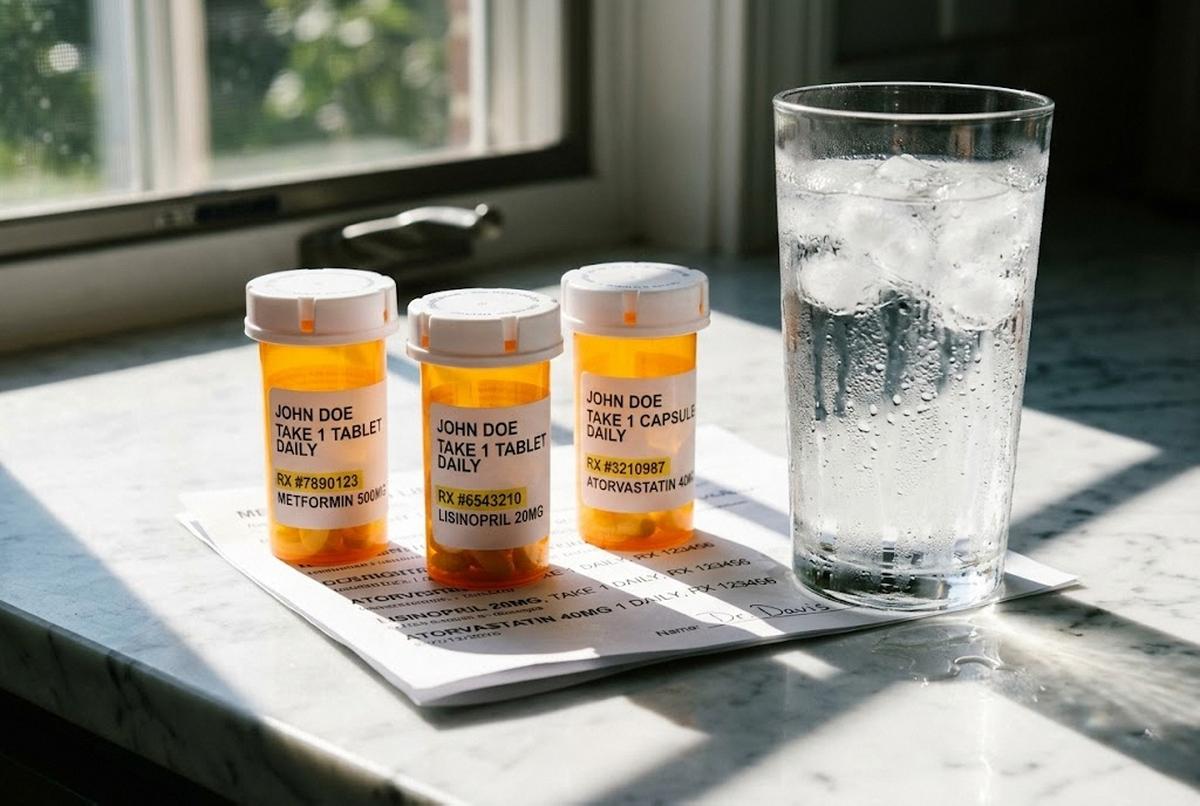
I'm going to walk through these by class, with the drugs that are most commonly prescribed to people in our age bracket. Cross-reference your own pill bottles. Highlight what you find. Bring the list with you.
Diuretics, the water pills. Furosemide (Lasix), hydrochlorothiazide (often called HCTZ), spironolactone, bumetanide. These are the medications doing exactly what they're designed to do: pulling fluid out of you. On a hot day, that fluid loss layers on top of the fluid you're already losing through sweat and respiration. Dehydration is the foundation under almost every heat emergency, and diuretics speed the foundation cracking. Watch for: lightheadedness when you stand, deeply colored urine, muscle cramps, a heart that feels like it's fluttering or skipping.
Beta-blockers, the heart slowers. Metoprolol (Lopressor, Toprol XL), atenolol, carvedilol (Coreg), propranolol, bisoprolol. Beta-blockers do something brilliant for the heart: they keep it from racing. The trouble is that a racing heart is one of the body's main ways of moving blood to the skin to dump heat, and it's also one of the warning signs of heat stroke. So a person on a beta-blocker may not feel their pulse climb. They may not feel any of the alarm. The body is in trouble, but the trouble doesn't announce itself. This is the medication the man on that gurney was taking.
Anticholinergics, the sweat blockers. This category is wide. Oxybutynin (Ditropan, used for overactive bladder) is a major one. So is diphenhydramine. Yes, plain Benadryl, which is also the active ingredient in many over-the-counter sleep aids like ZzzQuil and Tylenol PM. Tricyclic antidepressants like amitriptyline. Some Parkinson's medications. Anticholinergic drugs reduce sweating, sometimes dramatically. If you don't sweat, you don't cool. The Beers Criteria, the geriatric medicine guideline used in nursing homes and hospitals across the country, already lists most anticholinergics as drugs to avoid in adults over sixty-five. Heat risk is one of several reasons.
SSRIs, the most common antidepressants. Sertraline (Zoloft), escitalopram (Lexapro), fluoxetine (Prozac), citalopram (Celexa). These can increase sweating, which speeds fluid loss on a hot day. They can also lower sodium levels, which compounds the problem. I want to be careful here. SSRIs save lives. I would never tell anyone to stop one, and neither would your doctor. The conversation is about timing, hydration, and awareness. Not stopping.
Antipsychotics, the strongest temperature disruptors. Risperidone (Risperdal), olanzapine (Zyprexa), quetiapine (Seroquel), haloperidol (Haldol). These directly disrupt the hypothalamus's ability to regulate temperature, sometimes severely. People on antipsychotics (including older adults prescribed them off-label for agitation in dementia care) are at the highest medication-related risk in heat. If a parent of yours in memory care takes any of these, summer planning needs to include the staff and the prescriber both.
ACE inhibitors and ARBs, the blood pressure stabilizers. Lisinopril, ramipril, losartan, valsartan. These don't cause heat problems on their own. They become a problem when paired with dehydration, because they prevent the kidneys from holding onto water and sodium the way a stressed body needs. Add a diuretic on top (and many people are on both), and a hot afternoon can drop blood pressure into a fall.
Stimulants and amphetamines. Less common in our age group, but increasing. Adderall, methylphenidate (Ritalin), some weight-loss drugs, even high-dose pseudoephedrine in over-the-counter cold medicine. These raise body temperature directly by speeding metabolism. In combination with heat, they push the system harder than it can handle.
Statins. Atorvastatin (Lipitor), rosuvastatin (Crestor), simvastatin. The heat risk here is rare but real: statin-related muscle pain (myopathy) can worsen when the body is dehydrated, and severe cases can damage the kidneys. If you've been having calf or thigh aches on a statin, summer is the time to mention it.
Insulin and sulfonylureas, the diabetes drugs. Insulin (Humalog, Lantus, NovoLog), glipizide, glyburide. Heat speeds insulin absorption from an injection site, which can drop blood sugar faster than expected. Sulfonylureas can do the same. People with diabetes already managing blood sugar carefully need to watch for low-glucose symptoms (sweating, shakiness, confusion) that can look almost identical to heat exhaustion. The two emergencies overlap, and treating one without recognizing the other gets dangerous fast.
Levothyroxine. Synthroid, Levoxyl. Usually not a heat problem, but worth a mention because so many of us take it. Severe overdose or undertreatment can affect temperature regulation. If your dose was adjusted recently, ask whether it's been re-checked.
What These Medications Hide
This is the part I most want you to understand.
The body has a vocabulary for heat distress. A racing pulse. Heavy sweating. Skin that flushes pink. A creeping headache. Thirst. These are the alarm bells. They are also exactly the signals that several of these medications turn down, mute, or silence completely.
A beta-blocker mutes the racing pulse. An anticholinergic shuts down the sweat. A diuretic empties the system before thirst even has a chance to register. The tragedy of medication-related heat illness is that the body never gets to send up the flare. The person feels mostly normal until they don't. And the moment they don't is usually the moment a family member finds them confused on the porch or unresponsive in a chair.
This is why hydration alone is not enough. This is why "drink water" is incomplete advice for someone on Lasix. The body's ability to use that water, to redistribute it, to signal when it needs more. All of that is altered. The rules are different.
The Conversation to Have Before June
Make the appointment now. May is the right month. Your prescriber's office will be calmer than it will be in August.
Bring your full medication list. Every prescription, every over-the-counter pill, every supplement. Then ask, in roughly these words: "Will any of my medications raise my heat risk this summer? Should we adjust dosing or timing on any of them (for example, should I take my diuretic earlier in the morning so I'm not peaking on hot afternoons)? Is there any sodium or potassium monitoring you'd like me to do before July, given the heat forecast?"
That last piece matters. Diuretics and ACE inhibitors can shift sodium and potassium in ways that get more dangerous in heat. A simple basic metabolic panel (a blood draw, covered by Medicare Part B when your doctor orders it as medically necessary) can give your prescriber baseline numbers to work from. Some doctors will adjust dosing. Some will recommend specific timing. Some will tell you everything is fine and to drink water and stay inside between noon and four. All three answers are useful. What you don't want is no answer because the question never got asked.
If your primary care doctor is rushed, your pharmacist is the underused expert here. Pharmacists have specific training in drug interactions and side effect profiles. Most of them will sit down with you for fifteen minutes if you call and ask. CVS, Walgreens, the independent pharmacy on the corner. Same training, same access to the records. Call ahead. Ask for a medication review.
Heat Exhaustion vs. Heat Stroke
Know the difference. The first is a warning. The second is a 911 call.
Heat exhaustion looks like: heavy sweating, cool and clammy skin, a fast and weak pulse, nausea, muscle cramps, dizziness, headache, thirst. The person is uncomfortable but coherent. Get them somewhere cool, get cool water into them in small sips, loosen tight clothing, put a damp cool cloth on the back of the neck and the wrists. If symptoms don't improve in thirty minutes, or if vomiting starts, call for help.
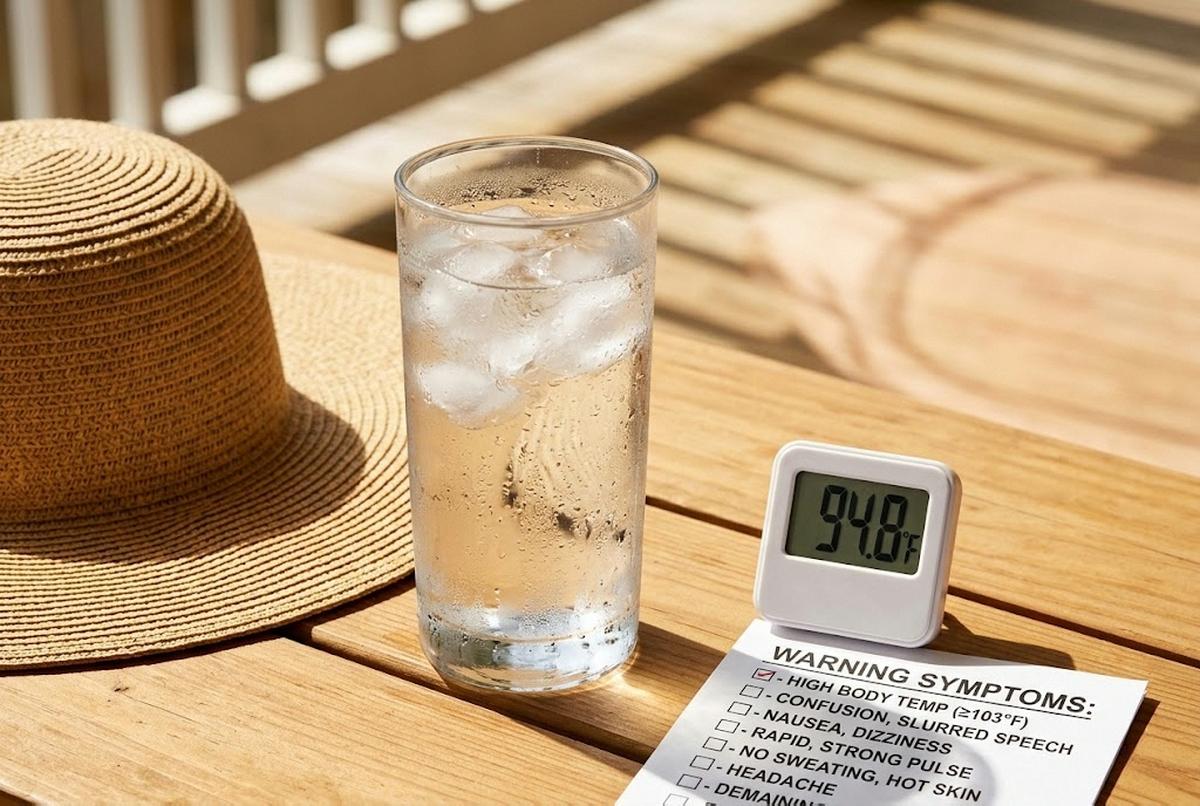
Heat stroke is the emergency. Body temperature above 103°F. Skin that is hot, red, dry (or sometimes paradoxically still sweaty, depending on medications). A rapid strong pulse, confusion, slurred speech, loss of consciousness. This is a 911 call, immediately, while you start active cooling: ice packs at the neck, armpits, and groin; cool water on the skin; fan air across the body. One thing not to do, and it runs against instinct: do not give them anything to drink. The sips of water that help heat exhaustion become a choking risk in someone confused or slipping out of consciousness. Heat stroke can kill within an hour if untreated. It can also leave permanent damage to the brain, kidneys, and heart in survivors.
For anyone on the medications above, the warning signs may be muted. The leap from "a little off" to heat stroke can be shorter than you'd expect. Trust changes in mental status (confusion, unusual irritability, sleepiness that doesn't fit the situation) even when other symptoms are absent. The brain is often the first place that shows it.
The Practical Layer
A few specific things worth doing before the heat sets in.
- Schedule the medication review. Today, if possible. Or this week. Don't wait for July
- Keep a glass of water within arm's reach all day, every day. Thirst is no longer a reliable signal
- Set a phone alarm or kitchen timer. Once an hour, drink something. Water, broth, electrolyte drink. Small amounts, often
- Know your cooling spots. Public libraries, senior centers, community centers, malls. Most are designated cooling stations during heat advisories
- Have a check-in person. A neighbor, a friend, a daughter who calls every day at 4 PM during hot weeks. Loneliness is a heat risk multiplier. Isolated seniors die in heat events more often than connected ones
- Don't exercise outdoors after 10 AM. Move your strength training and balance work to early morning or indoor settings
- If your doctor has dismissed your heat concerns with "oh, you'll be fine, just stay inside," you are allowed to push for more. The advice for when a doctor says it's just aging applies here too
Actually, let me correct myself on one of those. I said exercise outdoors after 10 AM is the cutoff. In Asheville maybe. In Phoenix that's already too late. Adjust for where you live. The point is: pay attention to the actual forecast, not the calendar.
A Story From My Tuesday Group
A woman in our Seasons of Grace circle (Lorraine, seventy-nine, retired pediatric nurse, sharp as anything) mentioned a few summers back that she'd started feeling "off" on hot days. Foggy. Tired in a way her morning didn't explain. She was on a diuretic for high blood pressure and a low-dose SSRI for anxiety she'd developed after her sister died. Her doctor had told her, vaguely, to drink water.
She brought her medication list to her pharmacist instead, on a hunch. The pharmacist sat with her for twenty minutes. Together they worked out that her diuretic was peaking around 2 PM, which was also the hottest part of her afternoon walks. She called her doctor with a specific suggestion. Could she take it at 6 AM instead of 10? The doctor agreed. Within two weeks the foggy afternoons were gone.
Nothing about her medication changed. Just the timing. That was all.
I tell this story not because it's a guarantee that timing changes will work for everyone (they won't) but because it illustrates the kind of conversation that's possible when you walk in informed. Lorraine didn't ask to stop her medication. She asked a smaller, smarter question. The answer was a different summer.
The Quiet Truth Underneath
We are aging into a hotter world. That sentence sits in my chest. In recent years extreme heat has killed more Americans than hurricanes, tornadoes, and floods combined — the National Weather Service counted 529 heat deaths in 2024 against 279 for those three together, and 555 against 159 in 2023. (Over a longer 30-year average the gap closes, so this is a recent-years pattern, not a permanent law.) Age is the thread running through it: Harvard Medicine Magazine reports that more than 80 percent of the estimated 12,000 Americans who die of heat-related causes each year are over 60. Most of those deaths are quiet. A neighbor finding a friend. A daughter making a wellness call.
This is not meant to frighten you. I refuse to write fear pieces. What I want, instead, is for you to walk into this summer with information your prescriber may not have offered. I want you to know which of your pills muffles the warning bells, and to know that knowing this is itself a kind of protection. The body still works. The medications are still doing their job. You're just adding a layer of awareness that the heat plan needs.
Make the call this week. Bring the list. Ask the question.
The maples outside my window are leafing out earlier this year than I can remember them doing. There's a heaviness in the air at midday already, a softness that wasn't there in early May ten years ago. Summer is coming sooner and staying longer, and our bodies, and our medicine cabinets, need a few minutes of attention before it does.
May your prescriber pick up the phone. May your pharmacist sit with you. May the breeze find you in the shade and the water taste good and your people check in on you. We were not made to manage this much heat alone. None of us were.