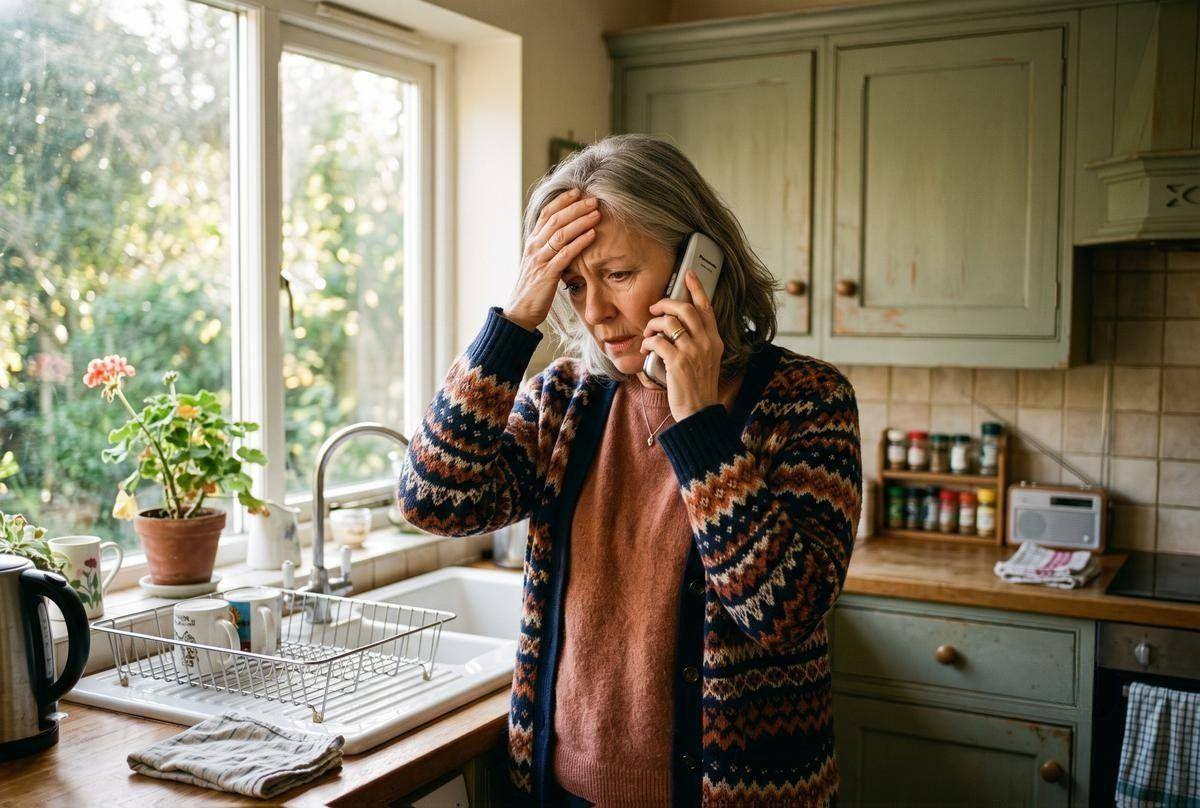
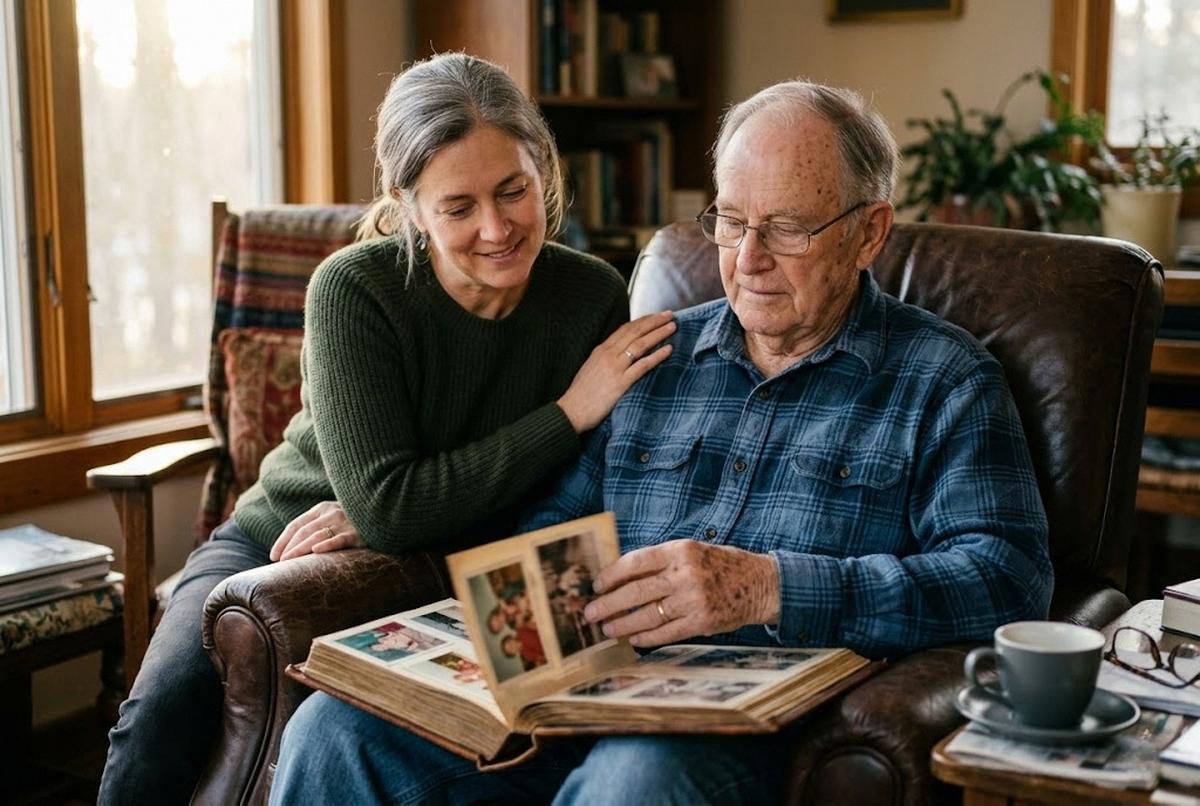
The man who first taught me what Parkinson's looks like up close was not the patient. He was the patient's husband, and he had stopped being able to smell his coffee six years before his wife's neurologist said the word out loud. He didn't know to tell anyone. Anosmia, the loss of smell, is one of the quietest warning signs the body gives, and it almost never travels alone. By the time his wife's right hand began to tremor at rest, by the time her arm stopped swinging when she walked, the disease had been moving through her nervous system for a decade.
I have sat with a lot of families since then. What I have learned is that the story of Parkinson's almost always starts long before the diagnosis, and that the diagnosis itself is only the beginning of a different kind of attention.
This is a long subject. I will not rush it.
What Parkinson's Actually Is
Parkinson's disease is a progressive neurodegenerative disorder. In the simplest terms, the brain begins losing the cells that produce dopamine, a neurotransmitter that helps coordinate smooth, controlled movement. Most of those cells live in a region called the substantia nigra, deep in the midbrain. As they die off, the brain loses some of the signaling it relies on to move the body the way the mind intends.
About 1.1 million Americans are living with Parkinson's today, a number the Parkinson's Foundation expects to reach 1.2 million by 2030, and roughly 90,000 receive a new diagnosis each year. The disease shows up most often after age 60, though about four percent of those diagnosed are under 50, what doctors call early-onset Parkinson's. Men are diagnosed roughly one and a half times more often than women, for reasons researchers are still working out.
The underlying biology involves more than dopamine. A protein called alpha-synuclein begins to misfold and clump inside neurons, forming the deposits known as Lewy bodies. There is growing evidence (the Braak hypothesis) that some of this damage may begin in the gut and travel up the vagus nerve to the brain, which is one reason chronic constipation can precede motor symptoms by years.
There is still no biomarker blood test for Parkinson's. Diagnosis remains clinical, meaning a neurologist makes the call based on history, examination, and how the body responds to dopamine-replacement medication.
That picture is changing, though more slowly than the headlines suggest. The alpha-synuclein seed amplification assay, run on spinal fluid and reported in Lancet Neurology in 2023, detects the misfolded protein itself; in September 2024 the FDA issued a letter of support for using it in clinical trials, which is a meaningful step and is not the same thing as approving it to diagnose a patient. A skin-biopsy test for the same protein was studied across 30 sites and published in JAMA in April 2024: it found phosphorylated alpha-synuclein in 92.7 percent of people with Parkinson's and in 3.3 percent of controls. The authors were careful to say what that does and does not show. Everyone in the study already carried a diagnosis, so the numbers describe how well the test recognizes known disease, not how well it would perform on an undiagnosed person walking into a clinic.
What this means practically is worth saying plainly: these tests exist, a movement disorder specialist is the person to ask whether one is appropriate, and none of them has replaced the neurological exam.
The Symptoms Before the Symptoms
When most people think of Parkinson's, they think of the tremor. The tremor is real, and it is one of the four cardinal motor signs that movement disorder specialists use, sometimes remembered as TRAP:
- Tremor at rest, usually starting on one side
- Rigidity, often described as cogwheel stiffness in the limbs
- Akinesia or bradykinesia, the slowness and shrinking of movement
- Postural instability, balance loss that tends to come later
But by the time those signs are obvious enough to bring someone to a neurologist, the disease has often been at work for years. The non-motor symptoms are the early signal, and they are the ones families miss most often because they look like aging or like a dozen other things.
Loss of smell is one of them. A review in Nature Reviews Neurology found measurable olfactory dysfunction in approximately 90 percent of early-stage Parkinson's cases, often preceding the motor symptoms by years. It is also one of the few early signs that helps separate Parkinson's from its lookalikes: smell loss is far less pronounced, or absent, in multiple system atrophy, corticobasal degeneration and progressive supranuclear palsy. REM sleep behavior disorder, in which the body fails to paralyze itself during REM sleep and people act out vivid dreams, sometimes violently, is another. The largest study of it followed 1,280 people with the disorder across 24 centers and found conversion to Parkinson's or a related condition running at about 6.3 percent per year, with 73.5 percent having converted by twelve years of follow-up (Brain, 2019). The risk keeps climbing the longer people are followed. It is the strongest known prodromal marker we have, which is why a new diagnosis of REM sleep behavior disorder deserves a conversation with a neurologist rather than a sleep aid and a shrug.
The other quiet signs are easier to overlook. Stubborn constipation that does not respond to fiber or hydration. Depression and anxiety that arrive without an obvious life cause. The Parkinson's Foundation puts depression at at least half of people with Parkinson's, not at most half, with anxiety disorders affecting up to 40 percent, and notes that depression can appear at any point in the disease, including before diagnosis. The Parkinson's Foundation's own Outcomes Project found that mood symptoms do more damage to well-being than the movement symptoms do. Mild cognitive changes such as slowed thinking, trouble finding words, and executive function struggles. Lightheadedness on standing (orthostatic hypotension). Bladder urgency. A handwriting that has gotten smaller and tighter over the past two years.
None of these signs alone mean Parkinson's. Taken together, in a particular person, they sometimes do.
Getting the Right Diagnosis
When something seems wrong, the first conversation matters. A primary care physician can recognize the pattern, but the person you want at the table is a neurologist who specializes in movement disorders. The difference is not a matter of credentials. It is a matter of how many times that doctor has watched somebody walk down a hallway and known, within ten seconds, what they were looking at.
A good diagnostic workup typically includes a careful history (sleep, smell, constipation, mood, handwriting, family history), a full neurological exam, and an MRI to rule out other conditions like strokes, tumors, and normal pressure hydrocephalus. In ambiguous cases the neurologist may order a DaTscan, a SPECT imaging study that shows the density of dopamine transporters in the brain. A DaTscan cannot diagnose Parkinson's by itself, but it can help distinguish Parkinson's from essential tremor or drug-induced parkinsonism, conditions that look similar but respond to entirely different treatments.
The most useful diagnostic test is also the simplest one. If a person's symptoms improve meaningfully on carbidopa-levodopa, that response confirms the diagnosis in the great majority of cases.
Several conditions can imitate Parkinson's, particularly in the early stages: essential tremor (which usually involves both hands and worsens with action, not at rest), progressive supranuclear palsy, multiple system atrophy, and vascular parkinsonism caused by small strokes. The singer Linda Ronstadt was diagnosed with Parkinson's in 2013 and lived with that diagnosis for years before learning it was wrong; her condition is progressive supranuclear palsy, a related but more aggressive disorder. These distinctions matter because the treatments and trajectories diverge.
Treatment That Actually Helps
There is no cure for Parkinson's disease. There are, however, treatments that genuinely work, and there are decisions about timing and combination that benefit from a doctor who knows the territory.
Carbidopa-levodopa remains the gold standard, half a century after it was introduced. Levodopa crosses the blood-brain barrier and is converted to dopamine inside the brain; carbidopa keeps that conversion from happening too soon in the bloodstream. For most people, it is the single most effective drug we have for the motor symptoms of Parkinson's. The complications come over the long term: dyskinesia (involuntary writhing movements) and motor fluctuations as the medication's effect rises and falls between doses. One practical detail patients learn the hard way, and it is in the FDA labeling: levodopa competes with certain amino acids for transport across the gut wall, so a meal high in protein can delay its absorption and reduce how much reaches the bloodstream. The common approach is to take a dose before a protein-heavy meal rather than with it; ask the prescriber what interval fits the regimen, because it depends on the formulation. The label flags iron too: iron salts, including the iron in ordinary multivitamins, form chelates with levodopa and carbidopa and reduce how much of the drug the body gets. That one catches people, because a daily multivitamin does not feel like a drug interaction.
Dopamine agonists like pramipexole and ropinirole mimic dopamine's effect directly. They are often used in younger patients to delay starting levodopa, though they carry a notable risk. A minority of patients develop impulse control disorders, such as compulsive gambling, shopping, eating, or sexual behavior, that can devastate families before the connection to the medication is made. Every patient on these drugs should know to watch for the pattern.
MAO-B inhibitors (rasagiline, selegiline, safinamide) offer modest symptomatic benefit and are debated as possibly slowing disease progression. COMT inhibitors like entacapone extend the working time of each levodopa dose. Amantadine can help reduce dyskinesias. Anticholinergics still have a role for tremor in some cases but are used cautiously in older adults because of their effects on memory and confusion.
When medication alone stops keeping up, typically after several years and when on-off fluctuations become disabling, deep brain stimulation (DBS) becomes a serious option. Electrodes are implanted into specific brain targets (the subthalamic nucleus or globus pallidus interna), and a pacemaker-like device delivers steady electrical signals that smooth motor symptoms and often allow patients to lower their medication doses. DBS is not a cure and does not slow the disease, but for the right candidate it can return years of better function. For tremor-dominant patients who are not surgical candidates, MRI-guided focused ultrasound thalamotomy offers a non-invasive alternative; the FDA approved it for tremor-dominant Parkinson's in December 2018. Worth knowing if someone told you about it years ago: the approved uses have widened twice since, to pallidotomy in 2021 and to pallidothalamic tractotomy in 2025, both for advanced Parkinson's with medication-refractory motor complications. It is no longer a tremor-only option.
For advanced motor fluctuations, the carbidopa-levodopa intestinal gel (Duopa) delivers medication continuously through a small pump and tube. Inhaled levodopa (Inbrija) was approved as a fast-acting rescue for sudden off-periods.
Ahead of these, in clinical trials, are alpha-synuclein-targeted antibody therapies (prasinezumab and cinpanemab among them) designed to slow disease progression rather than just treat symptoms. So far they have not delivered. The largest test yet, PADOVA, gave prasinezumab to 586 people with early Parkinson's for at least 76 weeks and missed its primary endpoint: motor progression did arrive later on the drug than on placebo, a median of 61 weeks against 50, but the gap was not statistically significant (hazard ratio 0.84, p=0.066) and so cannot be separated from chance. That is neither a success nor a clean failure, and it is the honest state of the field. The work continues, and so does honest caution about overselling what is not yet proven. GLP-1 agonists, the same drug class that produced Ozempic, drew years of hope from a small 2017 Lancet trial in which 62 patients on exenatide did modestly better than placebo. That hope did not survive the larger test. Exenatide-PD3, published in the Lancet in February 2025, randomized 194 people and followed them for 96 weeks. It found no benefit at all: motor scores worsened in both groups, and the difference between them was under a single point (p=0.47). The investigators' own conclusion was that there is no evidence to support exenatide as a disease-modifying treatment. If you see a headline suggesting Ozempic-type drugs treat Parkinson's, that is the trial it has to answer to.
There is reason for hope. There is also reason to be skeptical of any newsletter or product claiming that hope has arrived.
What Exercise Does
Of everything I could tell you in this article, the single most evidence-supported thing a person with Parkinson's can do for themselves is move their body, hard and often.
The SPARX trial, published in JAMA Neurology in 2018, randomized 128 newly diagnosed Parkinson's patients who were not yet on medication to high-intensity treadmill exercise, moderate-intensity exercise, or usual care. After six months the high-intensity group's motor scores were essentially unchanged, while the usual-care group's had worsened by about three points. Moderate intensity did not show the same effect. It is one of the clearest signals in the field that exercise is not merely supportive. Two honest caveats: SPARX was a phase 2 trial designed mainly to establish that high-intensity exercise was safe and feasible enough to justify a bigger one, and that bigger one, SPARX3, is still running and has not reported. What we can say is that the evidence for exercise is stronger than for anything else a patient controls directly.
Real programs have grown out of this evidence. Rock Steady Boxing, founded in 2006 by a man who had just been diagnosed at 40, uses non-contact boxing training for balance, power, and coordination. It has grown to more than 800 affiliate locations, in every state and 14 countries. LSVT BIG (for movement) and LSVT LOUD (for speech) are intensive structured therapies that train the brain to push past the small, soft default that Parkinson's imposes. Both run the same schedule: one-hour sessions, four days a week, four weeks in a row — 16 sessions — with daily homework between them. If travel is the obstacle, ask about the videoconference version of LSVT LOUD; the program's own research found it as effective as doing all 16 sessions in the clinic. PWR! Moves, short for Parkinson Wellness Recovery, teaches large-amplitude, multidirectional movements as a daily practice.
None of this replaces medication. All of it changes outcomes. Tai chi has good evidence for balance and falls reduction. Aquatic therapy works well for those whose balance no longer tolerates land-based exercise. Walking, the simplest of all, still counts when done with intention and challenge. Pairing movement work with a strong falls-prevention program is one of the most concrete decisions a family can make in the first year after diagnosis.
Diet plays a quieter supporting role. The Mediterranean and MIND diet patterns have shown associations with slower cognitive decline. Adequate fiber and hydration help the constipation that frequently shadows the disease. Beyond that, supplement promises should be treated with the skepticism appropriate to a market eager to sell to vulnerable people. The honest piece I would point a family to is the one on evidence-based supplements.
What Caregivers Carry
My years of sitting with families have taught me that the diagnosis sits differently on the patient and on the partner. The patient learns to live with a body that no longer cooperates. The partner learns to live with a person who is and is not the person they married. Both of these are griefs. Neither of them is selfish.
Quality-of-life research consistently ranks Parkinson's caregiving burden among the highest of any chronic illness. The combination of motor fluctuations, sleep disruption, cognitive change, and the long, uneven trajectory makes it different from a disease with a clear beginning and end. The transition from spouse to caregiver is a quiet kind of grief that does not have its own greeting card.
I think of a man I met in a support group years ago. His wife had advanced Parkinson's, and he had kept mowing his lawn at 7 a.m. every Saturday for forty years. When I asked him about it once, he said, "If I stop mowing, it means things are different." He kept mowing until the week she moved into full-time care. That instinct, to hold the shape of an ordinary life as long as possible, is one of the most human things I have ever watched a person do.
The practical work is real. Freezing of gait, in which the feet seem to glue to the floor mid-step, is a leading cause of falls; learning the cueing tricks (counting, marching, stepping over an imagined line) belongs in every family's toolkit. Aspiration risk grows as swallowing weakens; a speech-language pathologist's assessment is worth scheduling before anyone thinks it is needed. Home modifications like grab bars, raised toilet seats, removing throw rugs, and lighting the path to the bathroom overlap heavily with the broader work of aging in place and should not wait for the first fall.
There is a later conversation, too, that families benefit from having earlier than they want to. The trajectory of Parkinson's makes hospice timing genuinely difficult. The disease does not always have the clean late-stage decline that hospice criteria were written around. But Medicare's hospice benefit does cover advanced Parkinson's, and the support it provides (nursing, aide hours, chaplaincy, equipment, grief counseling for the family) can be transformative when invoked at the right time. It is worth knowing exactly what the gate is, because families often assume it is a diagnosis: it is not. Medicare requires that the hospice doctor and the person's own doctor certify a terminal illness with a life expectancy of six months or less, that the person accept comfort care instead of treatment aimed at curing the illness, and that they sign a statement electing hospice. No particular disease qualifies or disqualifies anyone. And if someone lives longer than six months, the benefit can be recertified — outliving the estimate does not end the coverage. The companion piece on palliative and hospice care walks through how the benefit actually works.
If you are the caregiver reading this, I will say what I say to every family I sit with: you cannot pour from an empty cup, and you cannot be replaced by anyone else in this role, and both of those things are true at once. You will need help. Ask for it before you think you do.
Resources Worth Knowing About
A few organizations have earned the trust of the Parkinson's community over decades, and they are worth bookmarking on the day of diagnosis.
- Parkinson's Foundation (parkinson.org). Patient education, a directory of its Global Care Network (59 designated Centers of Excellence, 46 of them in the United States), and a helpline at 1-800-4PD-INFO staffed by trained information specialists. Note the hours before you need them: the helpline is answered Monday through Friday, 9 a.m. to 7 p.m. Eastern, not around the clock. Email reaches them any time.
- Michael J. Fox Foundation (michaeljfox.org). Research-focused, with a strong clinical trial matching tool for patients who want to participate in studies.
- American Parkinson Disease Association (apdaparkinson.org). Chapter network across the country, support groups, and excellent printable guides.
- Davis Phinney Foundation. Quality-of-life programming, including the Victory Summit events and the Every Victory Counts manual — one of the most useful single resources a newly diagnosed family can hold in their hands.
- Rock Steady Boxing (rocksteadyboxing.org). Locator for the nearest affiliated training program.
Michael J. Fox himself was diagnosed at 29 in 1991. The foundation he built has reshaped how Parkinson's research is funded, and his public honesty about the disease, including the more recent realities of falls and broken bones, has done more to demystify Parkinson's than any patient education campaign ever has. Brian Grant, the former NBA player, runs a foundation focused on fitness for people with Parkinson's. There are others. Their visibility helps. None of them owe us the role of inspiration, and they have all said so in their own ways.
What I want you to leave this piece with is this: Parkinson's is a long disease, and it is not the end of a life. It is the beginning of a different way of living in a body, and a different way of being held by the people around you. The medications work. The exercise works. The community works. The hardest parts can be carried — not alone, and not all at once, but carried.
The man whose wife I mentioned at the beginning told me, near the end of her life, that the years after her diagnosis turned out to be some of the closest of their marriage. He said it without sentimentality. He said it like a fact, the way he might have read a weather report. I have thought about that often. Whatever this disease takes, it does not get to take everything. That part is still ours.
This article is for informational purposes only and is not a substitute for professional medical advice, diagnosis, or treatment. Please consult a neurologist, ideally one with movement disorder training, about any symptoms or treatment decisions.