Cedric, who came to a Tuesday circle at Seasons of Grace a few years back, was 95. He drove himself there in a 1998 Buick. He had outlived his wife and both of his brothers. When the conversation turned, as it sometimes does, to the secret of a long life, somebody asked him directly. Cedric thought about it for a minute and then said he didn't know. He'd smoked until he was 70. He never took a vitamin in his life. He ate what his mother fed him as a boy and what his wife fed him after that. He had four close friends he still saw weekly and one of them was a man he had known since the second grade.
I think about Cedric whenever I read another headline about reversing aging. The honest truth is that most of what we're sold under the heading of longevity is unsupported by rigorous evidence in older adults. And most of what is supported is unglamorous, free, and already within reach.
This is a candid look at what the research actually shows, what it doesn't, and where the marketing has outrun the science.
The Blue Zones Problem
For twenty years, Dan Buettner's Blue Zones (Sardinia, Okinawa, Nicoya, Ikaria, Loma Linda) have been treated as gospel. The framework is appealing: find the places where people live longest, copy what they do. Plant-forward eating, daily movement, community, purpose. It sold books and reshaped wellness rhetoric across an entire decade.
Then came Saul Justin Newman's work. In a 2024 analysis published in the Nature Aging family of journals, Newman examined the demographic data underpinning the supercentenarian claims and found something uncomfortable. The regions with the highest reported numbers of people over 100 were also the regions with the worst birth records, the highest pension fraud, and the largest gaps between reported and verifiable ages. Sardinia and Okinawa were not, on closer inspection, populated with an unusual abundance of 105-year-olds. They were populated with sloppy paperwork and, in some documented cases, families collecting checks on relatives who had died years earlier. Italy's own carabinieri investigations in Sardinia turned up dozens of such cases. Japan, after a 2010 audit of its centenarian registry, discovered that roughly 230,000 people listed as living were either dead or unaccounted for. The numbers, in other words, had been telling a different story than the books did.
This doesn't mean the lifestyle observations are worthless. Eating mostly plants, walking every day, and staying close to your people are all reasonable things to do whether or not Okinawan grandmothers really live to 110. But the framing of here is the proven recipe, follow it and you too will reach 100 was built on a foundation that has now cracked.
I mention this not to be cynical but because the longevity field has a habit of building elaborate prescriptions on weak data, and seniors are the people most often asked to pay for the results. The supplements aisle didn't get to be a $50 billion industry by accident.
What the Evidence Actually Supports
When you strip away the supplements, the gadgets, and the Instagram protocols, a small group of interventions stands up to rigorous trials in older adults. Most of them are boring. All of them are within reach.
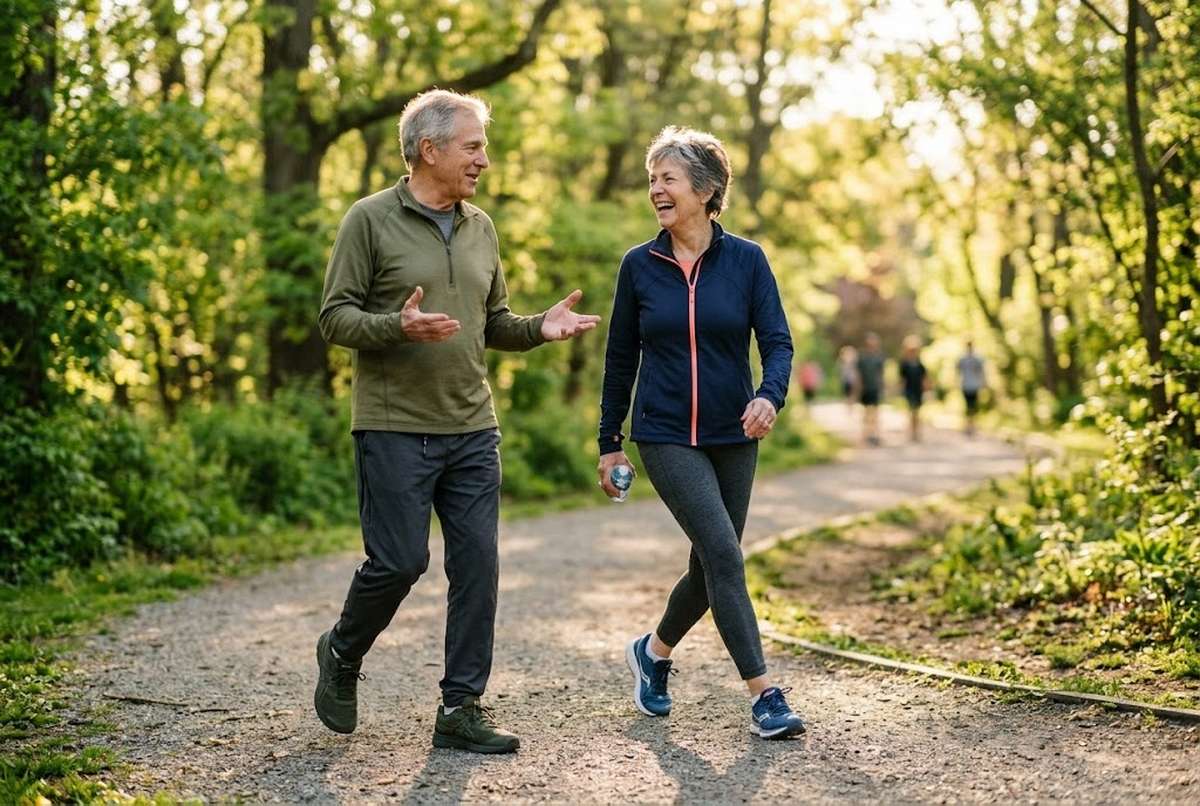
Exercise, particularly the combination of cardio and resistance training. This is the most well-evidenced intervention in geriatric medicine, full stop. The LIFE study, published in JAMA in 2014, randomized over 1,600 sedentary adults aged 70 to 89 to either a structured physical activity program or a health-education control. The exercise group had significantly less major mobility disability over two and a half years. Cardiovascular exercise of even modest intensity (brisk walking, swimming) reduces all-cause mortality by roughly 15 to 20 percent in older adults, and the benefit holds for people who don't start until after 65.
Resistance training does something distinct. After 50, most adults lose between 1 and 2 percent of their muscle mass per year if they don't intervene. By the eighth decade, that loss, known as sarcopenia, is the single biggest driver of the falls, frailty, and loss of independence that end most people's later years prematurely. Strength training two or three times a week, with real resistance, prevents and partially reverses this. Not optional. Not a nice-to-have. The closest thing to a longevity drug we have, and it costs nothing. I've written about strength training after 70 in more depth.
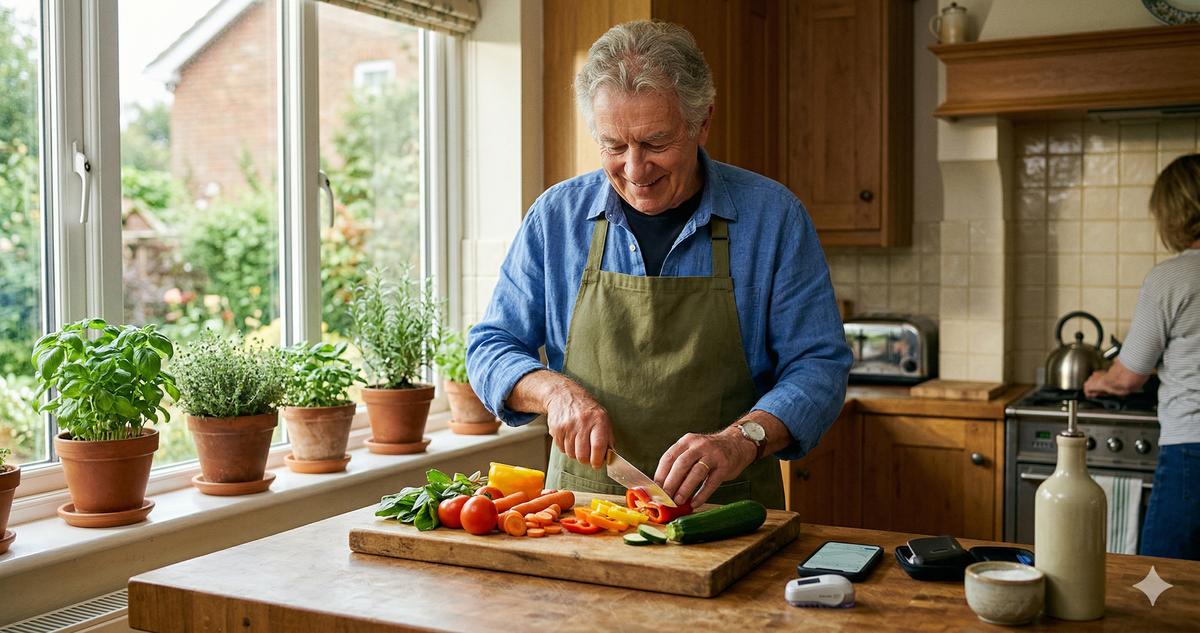
A Mediterranean-style diet. The PREDIMED trial, published in the New England Journal of Medicine in 2013 and re-analyzed in 2018 after a methodological correction, found that a Mediterranean diet supplemented with olive oil or nuts reduced major cardiovascular events by roughly 30 percent compared with a low-fat control. That's a real effect from a real randomized trial, not the British Journal of Nutrition observational study that gets cited everywhere. The pattern matters more than the rules: vegetables, legumes, whole grains, fish, olive oil, modest dairy, less red meat, very little ultra-processed food. It travels. Collards and black-eyed peas and cornbread cooked with olive oil instead of bacon fat do the same work as anything from Crete.
Strong social ties. Julianne Holt-Lunstad's 2010 meta-analysis in PLoS Medicine pulled together 148 studies and found that social isolation carries a mortality risk comparable to smoking 15 cigarettes a day. The U.S. Surgeon General's 2023 advisory on loneliness took this seriously enough to declare it a public health crisis. The mechanism is biological. Chronic loneliness elevates inflammation, blood pressure, and stress hormones. The prescription is social. The closest, most reliable friend you keep is doing measurable work on your cardiovascular system.
Seven hours of regular sleep. Not nine, not five. The shape of the curve is U-shaped: too little and too much both raise mortality. What matters most is consistency, meaning the same bedtime and wake time, every day. Sleeping pills are a separate question, and not a good one for most older adults. Sleep itself is non-negotiable.
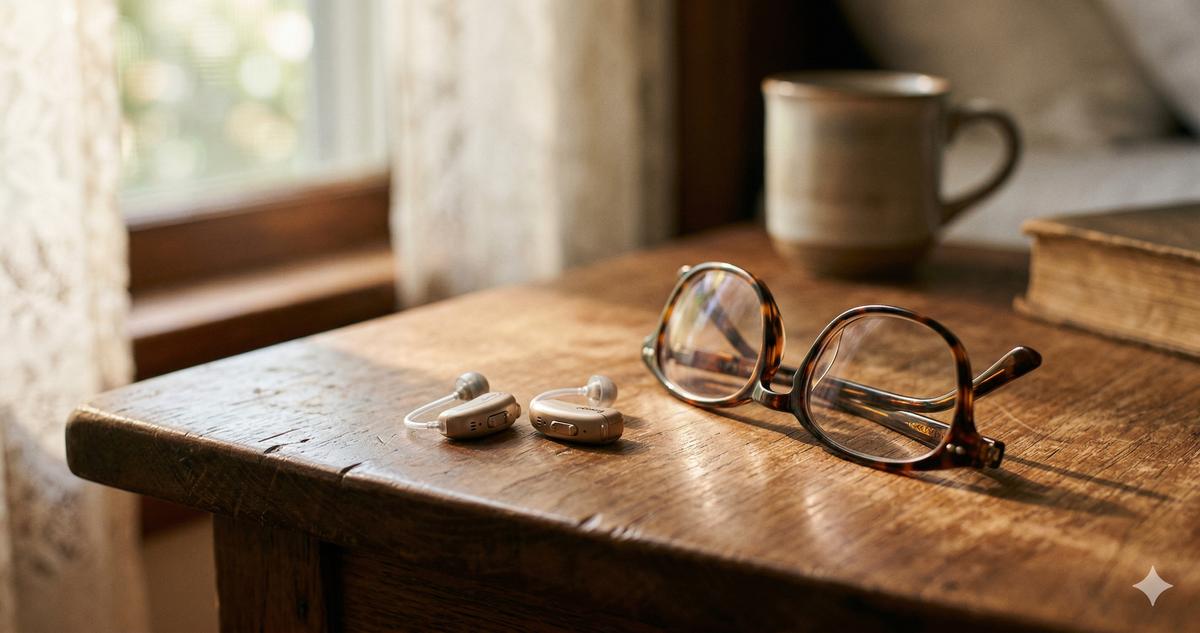
Hearing aids. This one surprises people. The 2024 Lancet Commission on dementia prevention identified untreated hearing loss as the single largest modifiable risk factor for cognitive decline, accounting for roughly 7 percent of the population-attributable risk. Hearing loss isolates people, taxes cognitive reserves, and accelerates brain atrophy in the temporal lobes. The ACHIEVE trial published in 2023 found that older adults at elevated risk for dementia who got hearing aids slowed their rate of cognitive decline by nearly half. If you can hear better, you should. I've written more on hearing loss and over-the-counter options.
Avoiding falls, specifically. Not vague balance work, not Pinterest yoga sequences. The interventions that have held up in trials are tai chi (a 2017 Cochrane review supports it for fall reduction), home modification (grab bars, lighting, removing throw rugs), vision correction, vitamin D in deficient adults, and a medication review with a clinician to identify drugs that increase fall risk. Falls are the leading cause of injury death in adults over 65, and the interventions that work are practical, not mystical. The Otago program developed in New Zealand and now offered through some Medicare Advantage plans is a good template if you want a structured place to start.
What the Hype Is Selling That Isn't There Yet
The NMN and NAD+ supplements, the resveratrol pills, the rapamycin protocols promoted by online longevity clinics: the biology is interesting and the human data is thin to nonexistent. There is no high-quality randomized trial in older adults showing that any of these compounds extend healthspan or lifespan. They might. They also might not. People are charging hundreds of dollars a month for the chance to find out, and the chance is funding the clinics, not you.
Caloric restriction has the longest pedigree of any longevity intervention in animal studies. In humans, the CALERIE trial (two years of 25 percent caloric restriction in middle-aged adults) produced modest improvements in metabolic markers. Whether those translate to longer or healthier lives is unknown. And for most adults over 70, who are already at risk of unintentional weight loss and muscle wasting, restricting calories is the wrong direction entirely. Eat enough. Eat well. Don't starve yourself in the name of mice in a lab.
Brain-training apps deserve their own warning. The ACTIVE trial — the most rigorous cognitive-training study in older adults, though only one of its three arms was computer-delivered — found each type of training improved the specific ability it trained, with no effect on everyday functioning at two years. The picture improved with time: at ten years trained participants reported less difficulty with daily activities, and a 2026 analysis linking the trial to Medicare claims found the speed-of-processing arm, and only for people who did booster sessions, had a 25 percent lower risk of a dementia diagnosis. Note what that means: the arm that worked WAS the computer-delivered one — a specific adaptive speed task, with booster sessions that participants were not randomly assigned to. That is a narrow protocol, not a puzzle app. The marketing around Lumosity and its competitors has consistently outrun the evidence, to the point that the Federal Trade Commission settled deceptive-advertising charges with Lumos Labs in 2016 — a $50 million judgment, suspended to a $2 million payment in consumer redress. I covered this in brain training and dementia. The cognitive interventions that actually move outcomes are hearing aids, exercise, social engagement, and treating depression. Not games on a screen.
And then there are the supplements. I've written separately on why most of them are a waste of money for healthy older adults. The short version: vitamin D for the deficient, B12 for those with malabsorption or pernicious anemia, omega-3 if you don't eat fish. Almost everything else is unnecessary, expensive, or both.
The Word That Matters Is Healthspan, Not Lifespan
There is a difference between living to 95 and living well to 95. The first is partly genetic and partly luck. The second is what the evidence I've described actually addresses. Resistance training doesn't promise you another decade. It promises that you can lift your grandchild, get yourself off the floor, walk to the mailbox without thinking about it. The Mediterranean pattern doesn't promise immortality. It lowers your odds of the stroke that would take your speech or the heart attack that would take your independence.
A woman I sat with last winter, Loretta, 81, widowed twice, recovering from a hip replacement, told me she didn't care about getting older. She cared about getting smaller. About the world shrinking until it fit inside her living room. That fear is more useful than any number on a longevity chart. Healthspan is what stops the shrinking.
The research on the trio I keep coming back to (moving, eating well, staying connected) is robust precisely because it is mechanistic. We understand why these things work: muscle metabolism, vascular function, inflammation, brain plasticity, sleep architecture, social regulation of cortisol. The supplement bottle on the counter is a hope. The walk you took this morning with your neighbor is a documented intervention.
There is also a quieter truth in all of this. Most of what protects healthspan in older adults is free, or close to it. Walking costs nothing. Beans and greens are cheaper per serving than ultra-processed food, if you cook them yourself. The Surgeon General is not asking you to buy anything. The richest longevity prescription I know of, sitting with a friend over coffee on a Tuesday morning, has no SKU number. This is part of why the industry doesn't talk about it more. There is nothing to sell.
What I'd Suggest, Honestly
If you asked me what to do, after 40 years of sitting with older adults and their families, I'd offer this. Not a list of ten. A short, honest set.
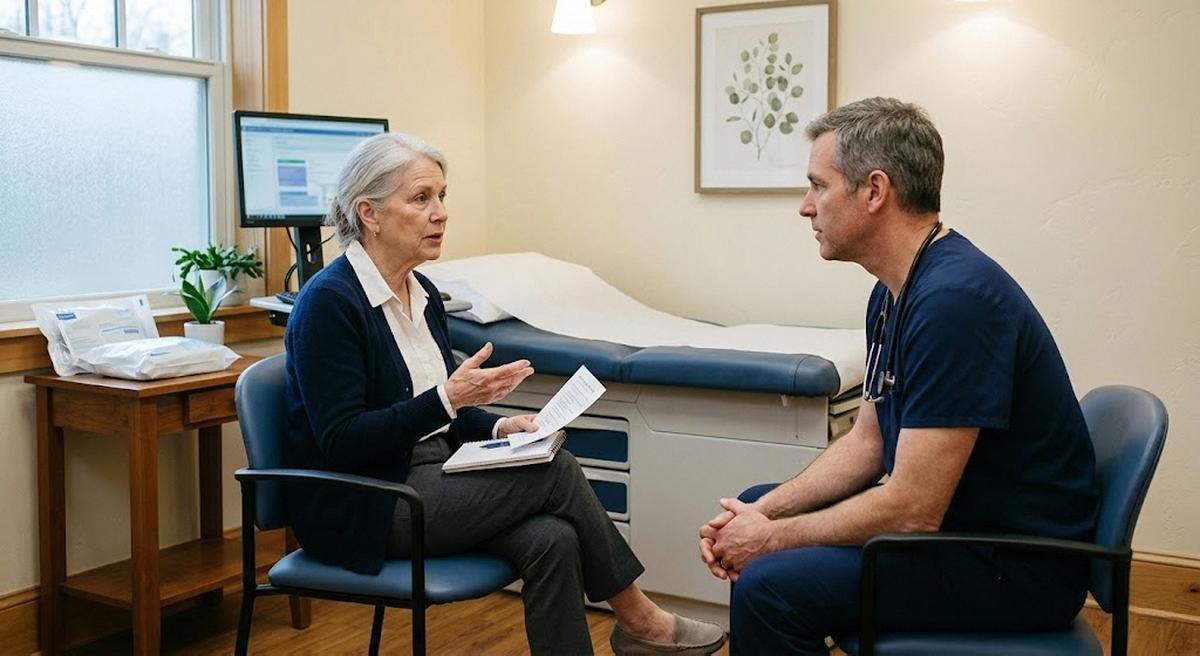
Walk daily. Add resistance two or three times a week: bands, light dumbbells, a chair-based program, tai chi for the falls evidence, anything that loads your muscles against real force. Eat the way you'd feed someone you loved: vegetables, beans, whole grains, fish or chicken, olive oil, less of the processed boxes. Get your hearing tested. Sleep seven hours, the same hours, every night. Stay close to the people who know your real name. Call your doctor about the medications you're on and ask if any of them are sedating, dizzying, or making you forget. And if you're carrying weight you can't carry alone, whether grief, isolation, or a diagnosis, let somebody help you.
That's most of it. The rest is luck, genetics, and weather you can't predict.
Isn't it interesting how the things that actually work are the things we already knew, somewhere underneath all the noise. Cedric, 95, drove himself home that night in the Buick. He waved out the window. He didn't have a protocol. He had a life, moved through, eaten through, loved through, and that turned out to be enough.
May yours be too.